
Design for X (DfX): Complete Methodology, Trade-offs, and Performance Levers for Product Design in 2026
Design for X (DfX) has become a critical framework for organizations aiming to develop products that are not only innovative but also cost-efficient, manufacturable, and sustainable. In an environment where product complexity is increasing and time-to-market is shrinking, integrating downstream constraints during early design phases is no longer optional. In 2026, more than 78% of industrial companies report adopting DfX principles to reduce development cycles and improve product quality. This approach moves beyond isolated optimization and instead embraces a multi-objective design strategy that aligns engineering, manufacturing, cost, and lifecycle considerations from the outset.
Understanding Design for X: Definition and Strategic Scope
Design for X refers to a set of engineering methodologies that aim to optimize a product for a specific objective, represented by the variable “X,” during the design phase. This “X” can represent manufacturability, assembly, cost, reliability, testability, sustainability, or other lifecycle considerations. Unlike traditional sequential development models, DfX promotes a concurrent engineering approach where cross-functional teams collaborate early in the process. This ensures that decisions are informed by real-world constraints, reducing costly redesigns and improving product performance across its entire lifecycle.
The strategic importance of DfX lies in its ability to transform design into a decision-making hub that balances technical feasibility with business objectives. By embedding production, logistics, and maintenance requirements into early design stages, organizations can prevent late-stage changes that often increase costs exponentially. This approach aligns closely with product lifecycle management (PLM) strategies, where every design decision is evaluated based on its downstream impact. As a result, DfX becomes a powerful tool for driving innovation while maintaining operational efficiency and regulatory compliance.
Why DfX Replaces Sequential Design
Traditional product development follows a linear sequence of steps, where each department contributes after the previous phase is completed, often leading to inefficiencies and rework. Design for X replaces this model with an integrated framework that considers all constraints simultaneously. This shift significantly reduces iteration loops and improves decision quality from the earliest stages. Companies implementing DfX report up to a 30% reduction in prototype rework, highlighting its impact on both cost savings and development speed.
This transformation is also driven by the growing complexity of modern products, which often combine mechanical, electronic, and software components. A sequential approach struggles to manage these interdependencies, whereas DfX provides a structured methodology to coordinate multiple disciplines effectively. By integrating manufacturing, testing, and maintenance considerations early, teams can identify potential conflicts and optimize design choices proactively. This collaborative model ensures product consistency and minimizes risks associated with late-stage changes.
Core Design for X Methodologies
Design for X encompasses multiple specialized approaches, each targeting a specific aspect of product performance. These methodologies should not be treated in isolation but rather as an interconnected system that supports the entire product lifecycle. The most widely adopted categories include manufacturability, assembly, cost, reliability, testing, and sustainability. Each discipline addresses a unique set of challenges and requires tailored tools and metrics. The key challenge lies in coordinating these approaches to avoid conflicts and maximize overall product value.
- DFM (Design for Manufacturability): ensures efficient and scalable production
- DFA (Design for Assembly): simplifies assembly processes and reduces part count
- DFC (Design for Cost): controls and optimizes total product cost
- DFR (Design for Reliability): enhances durability and product lifespan
- DFT (Design for Testing): improves testability and quality control
- DFS (Design for Sustainability): minimizes environmental impact
Design for Manufacturability (DFM)
Design for Manufacturability focuses on aligning product design with existing manufacturing capabilities to reduce production complexity and cost. This involves simplifying geometries, minimizing tight tolerances, and selecting materials compatible with industrial processes. By incorporating these considerations early, organizations can avoid costly redesigns and ensure production scalability. DFM is often the foundation of a successful DfX strategy, as it directly determines whether a product can be produced efficiently at scale.
Design for Assembly (DFA)
Design for Assembly aims to streamline the assembly process by reducing the number of components and simplifying their integration. This approach minimizes assembly time, reduces human error, and improves overall product quality. By optimizing product architecture for assembly, companies can significantly lower labor costs and increase productivity. DFA is particularly valuable in high-volume manufacturing environments, where even small efficiency gains can generate substantial competitive advantages.
Design for Cost (DFC)
Design for Cost integrates financial constraints directly into the design process to optimize total product cost across its lifecycle. This includes not only manufacturing expenses but also logistics, maintenance, and end-of-life costs. In 2026, advanced simulation tools enable real-time cost estimation, allowing teams to adjust design decisions dynamically. DFC ensures that technical choices align with business objectives, ultimately improving product profitability and market competitiveness.
Critical Trade-offs in Design for X
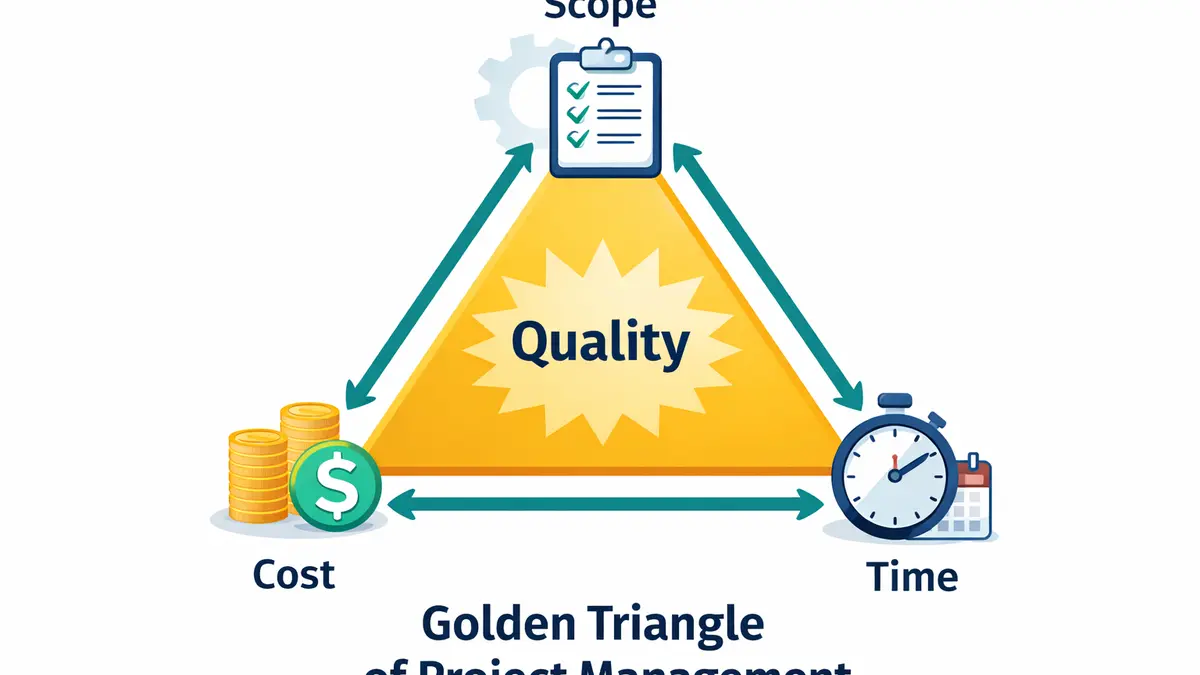
The true complexity of Design for X lies in managing trade-offs between competing objectives. Optimizing one parameter often negatively impacts another, requiring careful decision-making and prioritization. For example, reducing cost may compromise reliability, while simplifying assembly can make maintenance more difficult. DfX provides a structured framework to evaluate these trade-offs and balance competing requirements effectively. This capability is essential for developing products that meet both technical and business expectations.
Cost vs Reliability
Cost reduction is a common priority, but it often conflicts with reliability requirements. Using lower-cost materials or simplifying components excessively can increase the risk of failure and reduce product lifespan. Design for X helps identify these trade-offs and determine the optimal balance between affordability and performance. This requires precise metrics and analytical tools to assess long-term impacts and ensure that cost savings do not lead to higher lifecycle expenses.
Assembly vs Maintenance
Designing a product for efficient assembly can sometimes make maintenance more challenging, particularly when components are tightly integrated. Design for X addresses this issue by incorporating maintenance considerations during the design phase. This approach is especially important in industries where durability and serviceability are critical. By balancing assembly efficiency with ease of maintenance, companies can improve customer satisfaction and reduce after-sales costs.
5-Step Methodology to Implement Design for X
Implementing a Design for X strategy requires a structured and collaborative approach. Organizations must define clear objectives, involve the right stakeholders, and leverage appropriate tools to guide decision-making. This methodology enables teams to integrate DfX principles effectively and maximize their impact. It can be applied to both new product development and the optimization of existing designs.
- Define key objectives such as cost, quality, and sustainability
- Build a cross-functional team including engineering, manufacturing, and supply chain experts
- Establish measurable performance indicators
- Use simulation tools to evaluate design decisions
- Continuously iterate and refine the design
Frequently Asked Questions about Design for X
What is Design for X in simple terms?
Design for X is a design approach that integrates specific constraints early in the development process to optimize overall product performance.
Why is DfX critical in 2026?
In 2026, increasing product complexity and competitive pressure make Design for X essential for reducing costs, improving quality, and accelerating time-to-market.
What is the difference between DFM and DFA?
DFM focuses on optimizing manufacturing processes, while DFA aims to simplify product assembly, both contributing to a comprehensive DfX strategy.