Leading and Energizing a Project Team in 2026: Advanced Methods, Effective Rituals, and Cross-Functional Leadership for Sustainable Performance

Leading a project team in 2026 goes far beyond tracking tasks in a Gantt chart or facilitating occasional status meetings. Modern organizations operate in hybrid, cross-functional environments where authority is distributed, expertise is specialized, and priorities shift rapidly. In this context, effective project team leadership requires structured governance, clear decision-making processes, consistent communication rituals, and deliberate engagement strategies. According to the PMI Pulse of the Profession 2026 report, 71% of high-performing projects rely on a clearly defined team animation framework combining structured rituals, measurable goals, and continuous feedback, compared to only 38% of underperforming initiatives. Energizing a project management team therefore becomes a strategic capability that directly influences delivery speed, stakeholder satisfaction, and overall business value.
Understanding the Foundations: What Does It Mean to Lead a Project Team Today?
To lead and energize a project team means creating the operational, relational, and decision-making conditions that enable collective performance. Leadership in a project environment is not limited to coordination or reporting; it includes clarifying roles, aligning priorities, resolving dependencies, and managing stakeholder expectations. In a cross-functional project environment, the project manager often lacks direct hierarchical authority over team members, which increases the importance of influence, credibility, and structured facilitation. Effective leadership therefore integrates governance, communication cadence, performance monitoring, and engagement mechanisms into a coherent system. A project team does not become high-performing by chance; it becomes effective through deliberate structure and disciplined execution.
The Specific Nature of Cross-Functional Leadership
Cross-functional project leadership operates within a triangular relationship involving the team member, their functional manager, and the project manager. This structure frequently generates competing priorities, resource tensions, and unclear accountability if not carefully managed. The project leader must negotiate capacity, clarify expectations, and secure commitments without controlling performance reviews or career progression. Establishing explicit rules of engagement at the start of the project significantly reduces misunderstandings and political friction. Credibility in this environment depends on consistency, transparency, and data-driven decision-making. Strong cross-functional leadership transforms structural complexity into coordinated action rather than fragmented effort.
Common Structural Mistakes That Undermine Team Performance
Many projects fail not because of technical shortcomings but because of weak team animation structures. Vague objectives, unclear responsibilities, and decision-making processes that rely on consensus without accountability often create delays and frustration. Research shows that in organizations with 100 employees, individuals lose an average of 12 hours per month in unproductive meetings, representing more than 14,000 hours annually. The absence of structured rituals also allows hidden conflicts and misaligned priorities to accumulate. Effective project team leadership eliminates ambiguity by implementing disciplined meeting structures, defined governance models, and measurable performance indicators.
Launching the Project: Establishing a Strong Foundation
The way a project begins determines the quality of its future dynamics. A structured kickoff aligns strategic intent, clarifies deliverables, defines timelines, and establishes measurable success criteria. It also introduces decision frameworks such as RACI or DACI matrices to prevent responsibility gaps and approval bottlenecks. Team members must understand not only what they are expected to deliver but also why their contribution matters to the broader organization. A strong launch creates psychological ownership and shared direction. Without this foundation, even highly skilled teams struggle to maintain cohesion and focus.
Clarifying Objectives and Performance Metrics
Clear objectives form the backbone of effective project management. Goals should be specific, measurable, time-bound, and directly connected to business outcomes. Performance metrics such as milestone adherence, defect rates, risk resolution speed, and stakeholder satisfaction provide objective reference points for progress. Transparency in measurement strengthens accountability and reduces subjective interpretations of performance. Teams that track key metrics consistently adjust faster to emerging constraints. Clarity in expectations fosters alignment and accelerates execution.
Defining Roles and Responsibilities
Ambiguity in roles is one of the most frequent sources of friction in project environments. A well-structured RACI matrix clarifies who is responsible, accountable, consulted, and informed for each key deliverable. The DACI framework further specifies who drives the work and who makes the final decision, preventing diluted accountability. Formalizing responsibilities accelerates decision cycles and minimizes conflict. When every team member understands their scope of authority and contribution, collaboration becomes more efficient and predictable.
Building a Sustainable Leadership Cadence
High-performing project teams operate with a defined cadence that structures collaboration and ensures continuous progress. Regular rituals allow the team to inspect advancement, address obstacles, and realign priorities before issues escalate. Teams that conduct focused weekly reviews of 30 to 45 minutes centered on critical priorities experience, on average, a 25% reduction in milestone delays. Consistency in rhythm creates stability even in volatile contexts. Leadership cadence transforms scattered coordination into synchronized execution.
Essential Project Team Rituals
- Kickoff meeting to align on objectives, scope, and expectations
- Weekly progress review focused on priorities and risk mitigation
- Deliverable validation sessions to ensure quality and stakeholder alignment
- Retrospectives to improve processes and collaboration
- Steering committee meetings for strategic decisions and escalation
Each ritual must be prepared with a clear agenda, predefined outcomes, and documented decisions. Timeboxing discussions increases focus and reduces inefficiency. Assigning facilitation roles and documenting action items enhances accountability. Poorly structured meetings erode trust and motivation, while disciplined rituals reinforce credibility. Sustainable performance depends on the quality, not the quantity, of team interactions.
Engaging and Motivating Without Formal Authority
In cross-functional environments, engagement depends more on recognition and autonomy than on hierarchical control. Project leaders must highlight achievements, celebrate milestones, and create safe spaces for open dialogue. Regular one-on-one conversations help identify expectations, development goals, and emerging concerns before they escalate. Delegating meaningful responsibilities fosters ownership and initiative. A motivated project team perceives that its contributions are visible, valued, and impactful.
Implementing Continuous Feedback Mechanisms
Continuous feedback strengthens both individual and collective performance by addressing gaps in real time. Effective feedback is specific, fact-based, and oriented toward improvement rather than personal criticism. Monthly individual check-ins combined with quarterly team retrospectives create a balanced evaluation rhythm. Transparent communication reduces misunderstandings and fosters trust. A structured feedback culture transforms project execution into a continuous learning process.
Managing Conflict and Decision-Making Effectively
Conflict within project teams often arises from resource constraints, shifting priorities, or misaligned expectations. Ignoring tension allows friction to intensify and disrupt collaboration. A structured conflict resolution approach clarifies facts, surfaces underlying interests, explores alternatives, and formalizes agreements. Clearly defined escalation paths prevent stagnation and reduce emotional confrontation. Strong leadership addresses issues early, neutrally, and constructively.
Measuring Performance and Team Health
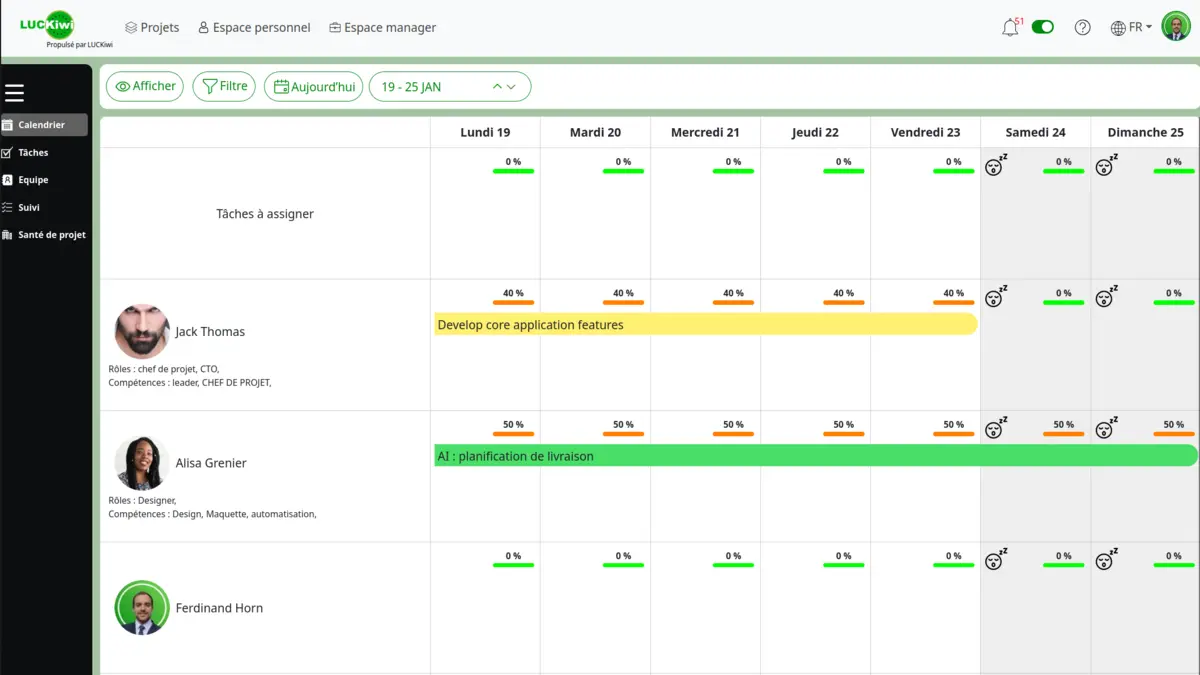
Effective project leadership relies on measurable indicators rather than intuition alone. Tracking milestone completion rates, action closure speed, risk exposure levels, and stakeholder satisfaction provides objective insight into progress. In 2026, digital collaboration tools offer real-time dashboards that visualize workload distribution and performance trends. Transparency in metrics enhances accountability and facilitates data-driven adjustments. Teams that measure performance consistently maintain greater adaptability and resilience.
FAQ – Leading and Energizing a Project Team
What is the difference between managing and leading a project team?
Managing often refers to planning, budgeting, and controlling processes, while leading focuses on influencing, aligning, and motivating people. A project leader fosters collaboration, resolves ambiguity, and builds trust within cross-functional environments. Leadership emphasizes communication, engagement, and shared ownership of outcomes. Both dimensions are essential, but team animation primarily concerns the human and relational aspects. Sustainable project success requires balancing structure with inspiration.
How many meetings are necessary for an effective project team?
The number of meetings depends on project complexity, but a minimum structure usually includes a weekly progress review, milestone-based validation sessions, and a monthly steering committee. Each meeting must have a defined objective and measurable outcomes to avoid inefficiency. Productivity is determined by clarity and preparation rather than frequency. Most structured project teams operate effectively with five recurring core rituals. Consistency and discipline are more valuable than volume.
How can engagement be sustained in long-term projects?
Sustaining engagement requires visible progress, regular recognition, and incremental achievements. Breaking long initiatives into measurable phases allows teams to celebrate intermediate successes. One-on-one conversations help detect early signs of disengagement. Providing autonomy and professional growth opportunities reinforces commitment. A long-term project remains dynamic when team members perceive tangible advancement and continuous support.
Read also: Change Management.