
Procurement Management: Definition, Process, Strategy, and Best Practices in 2026
Procurement management has become a critical strategic function for organizations aiming to control costs, secure supply chains, and improve overall business performance. In 2026, companies no longer view procurement as a simple purchasing activity but as a structured system that integrates supplier selection, contract management, spend visibility, and continuous optimization. This discipline enables organizations to align purchasing decisions with broader business objectives while improving financial control and operational resilience. In an environment defined by economic volatility, supply chain disruptions, and increasing competition, procurement management plays a key role in ensuring continuity, efficiency, and long-term growth. Companies that invest in structured procurement processes gain a measurable advantage in both cost efficiency and supplier performance.
What is procurement management? A complete definition
Procurement management refers to the set of processes, strategies, and tools used to plan, acquire, and manage the goods and services required for an organization to operate effectively. It covers the entire lifecycle of purchasing activities, from identifying business needs to supplier selection, negotiation, contract management, order processing, and performance evaluation. Unlike traditional purchasing, which focuses primarily on transactions, procurement management adopts a holistic approach aimed at optimizing costs, improving quality, and reducing risks. It integrates financial, operational, and strategic dimensions to ensure that every purchasing decision contributes to business performance and long-term value creation.
Procurement management vs purchasing: understanding the difference
Understanding the difference between procurement management and purchasing is essential for building an effective strategy. Purchasing refers to the operational process of ordering and paying for goods and services, while procurement management encompasses the broader strategic framework that includes supplier sourcing, contract negotiation, risk management, and performance tracking. This distinction highlights why procurement is considered a value-generating function rather than a purely administrative task. In 2026, leading organizations recognize procurement as a strategic pillar that directly influences profitability, supplier relationships, and business agility.
Why procurement management is critical in 2026
Procurement management has a direct impact on cost control, operational efficiency, and risk mitigation. In 2026, recent industry data shows that companies leveraging advanced procurement systems achieve up to 18% cost savings while improving compliance and financial visibility. This function also plays a vital role in strengthening supply chain resilience by enabling organizations to diversify suppliers and anticipate disruptions. By integrating analytics and automation, procurement management provides actionable insights that support better decision-making. As a result, it has evolved into a key driver of business performance, enabling companies to maintain competitiveness in rapidly changing markets.
Cost reduction and financial optimization
The ability to reduce costs is one of the most significant benefits of procurement management. By consolidating suppliers, negotiating better contracts, and standardizing purchasing processes, organizations can achieve substantial savings. This approach also helps eliminate maverick spending and ensures that purchases align with approved budgets. Beyond direct savings, procurement management reduces hidden costs associated with inefficiencies, delays, and errors. By leveraging data-driven insights, companies can optimize their spending strategies and improve financial forecasting, ultimately strengthening their overall financial performance.
Improved supplier risk management
Procurement management also plays a crucial role in mitigating supplier-related risks, including quality issues, delivery delays, and compliance failures. By implementing structured evaluation processes and performance metrics, organizations can select reliable suppliers and maintain strong relationships. Proactive supplier management allows companies to anticipate potential disruptions and implement corrective actions before they impact operations. In 2026, risk management has become a top priority due to increased global supply chain complexity, making procurement management essential for ensuring business continuity and stability.
The procurement management process: step-by-step
The procurement management process follows a structured framework designed to ensure efficiency and consistency in purchasing activities. Each step contributes to the overall effectiveness of the system and helps organizations maintain control over their expenditures. Standardizing these steps allows companies to streamline operations, reduce errors, and improve collaboration across departments. This structured approach also facilitates automation and integration with digital procurement tools, enhancing overall performance.
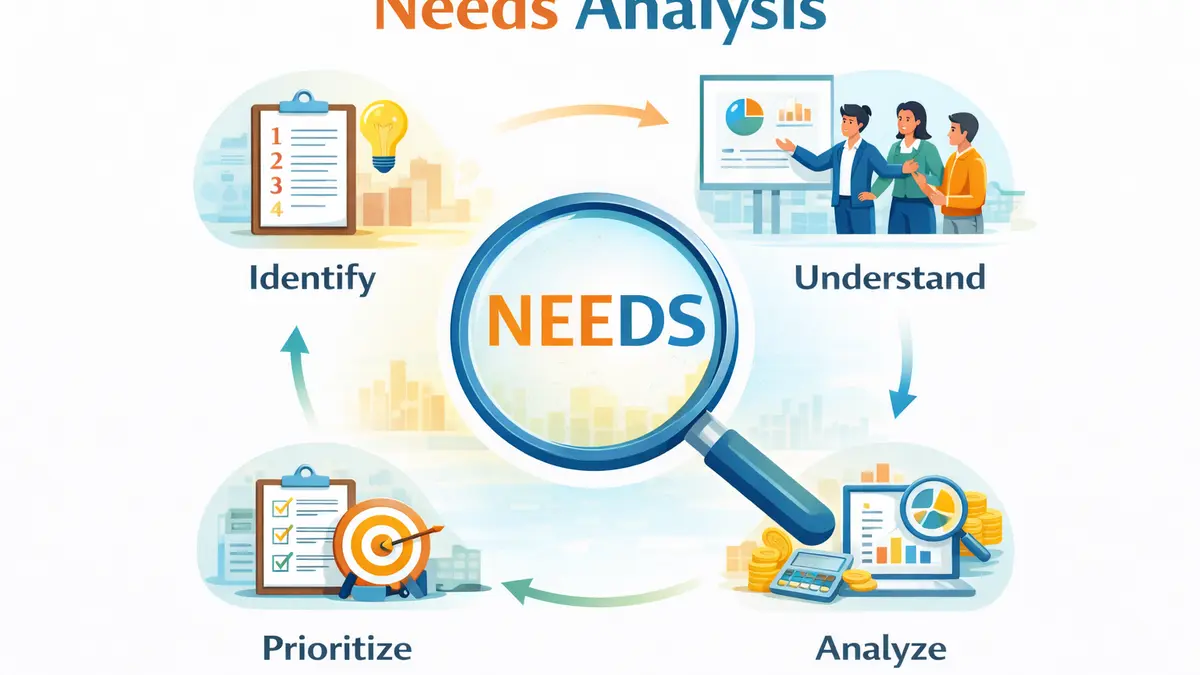
- Needs identification: defining requirements and specifications
- Supplier sourcing: researching and evaluating potential vendors
- Negotiation and contracting: establishing terms and agreements
- Purchase order management: issuing and tracking orders
- Receiving and inspection: verifying goods and services
- Invoice processing and payment: managing financial transactions
- Performance monitoring: evaluating supplier and process efficiency
The importance of supplier sourcing
Supplier sourcing is a critical component of procurement management, as it directly influences the quality, cost, and reliability of purchases. This stage involves identifying potential suppliers, evaluating their capabilities, and selecting those that best meet organizational requirements. A rigorous sourcing process reduces risks and ensures that suppliers can deliver consistent value. By leveraging market analysis and performance criteria, companies can build a strong and reliable supplier base that supports long-term success.
Continuous improvement and performance tracking
Procurement management requires ongoing monitoring and optimization to maintain high performance levels. Organizations must track key performance indicators to assess supplier reliability, cost efficiency, and process effectiveness. This data-driven approach enables companies to identify improvement opportunities and refine their procurement strategies. Continuous improvement fosters innovation and strengthens supplier relationships, contributing to sustained competitive advantage. By regularly reviewing performance metrics, organizations can adapt to changing market conditions and enhance their procurement outcomes.
The procurement management plan: structuring governance
A procurement management plan is essential for establishing clear guidelines and ensuring consistency in purchasing activities. This document outlines the processes, roles, responsibilities, and performance criteria associated with procurement. It aligns procurement activities with organizational goals and provides a framework for decision-making. By defining contractual terms, approval workflows, and risk management strategies, the procurement plan enhances transparency and accountability. It also supports compliance with regulatory requirements and improves coordination across departments.
Key components of a procurement plan
An effective procurement management plan includes several critical elements that ensure its success. These components typically cover supplier selection criteria, contract management procedures, performance metrics, and risk assessment strategies. The plan should also define roles and responsibilities, approval processes, and communication protocols. By incorporating these elements, organizations can create a structured and efficient procurement framework that supports both operational and strategic objectives. This level of organization improves decision-making and enhances overall procurement performance.
Key benefits of procurement management
Procurement management delivers a wide range of benefits that directly impact organizational performance. It enhances cost control, improves purchasing quality, and ensures supply chain stability. By automating processes and standardizing workflows, companies can increase efficiency and reduce errors. This discipline also promotes stronger supplier relationships, leading to better collaboration and innovation. In 2026, procurement management is widely recognized as a strategic lever for improving competitiveness and driving business growth.
Enhanced visibility and spend control
One of the most valuable advantages of procurement management is the ability to gain complete visibility into organizational spending. Advanced analytics and reporting tools allow companies to track expenses in real time and identify deviations from budget forecasts. This transparency enables better decision-making and helps prevent financial inefficiencies. By centralizing procurement data and standardizing processes, organizations can achieve greater control over their expenditures and improve financial governance.
Challenges of procurement management in 2026
Despite its advantages, procurement management presents several challenges that organizations must address to achieve optimal performance. Increasing supply chain complexity, rising costs, and the need for digital transformation make procurement more demanding than ever. Manual processes and fragmented systems can lead to inefficiencies, delays, and errors. Companies must also navigate regulatory requirements and ensure compliance across all procurement activities. Addressing these challenges requires a combination of strategic planning, technology adoption, and continuous improvement.
Digital transformation and automation
Digital transformation is a key driver of modern procurement management, enabling organizations to streamline processes and improve efficiency. E-procurement solutions automate repetitive tasks, enhance visibility, and ensure compliance with established policies. These systems also provide advanced features such as data analytics and artificial intelligence, which support better decision-making. However, successful implementation requires careful planning, employee training, and change management. Organizations that embrace digital procurement gain a significant competitive advantage in terms of efficiency and scalability.
FAQ: procurement management
What is the difference between procurement and supply chain?
Procurement management focuses on acquiring goods and services and managing supplier relationships, while the supply chain encompasses the entire flow of products from production to delivery. Procurement operates upstream, ensuring that the necessary resources are available, whereas supply chain management oversees logistics and distribution. Both functions must work together to ensure operational efficiency and customer satisfaction. Their alignment is essential for achieving a seamless and resilient business operation.
What are the key procurement KPIs?
Key performance indicators in procurement management include total cost of ownership, supplier performance, on-time delivery rate, and compliance rate. These metrics help organizations evaluate the effectiveness of their procurement strategies and identify areas for improvement. By regularly monitoring these KPIs, companies can optimize their processes, enhance supplier relationships, and improve overall performance. Data-driven insights play a crucial role in achieving long-term procurement success.