
Project Charter: Definition, Structure and How to Write an Effective Project Charter in 2026
A project charter is one of the most critical documents in modern project management because it formally authorizes a project and establishes the strategic foundation for its execution. Organizations running multiple initiatives simultaneously require a clear document that aligns leadership, project managers, and operational teams around shared objectives and expectations. The charter defines why the project exists, what outcomes are expected, and who holds responsibility for delivering results. According to several project management industry reports, nearly 70% of failing projects show deficiencies in their initial project definition, highlighting the importance of strong project initiation. In 2026, the project charter has evolved from a simple approval document into a strategic governance tool that supports communication, risk management, and alignment across the entire lifecycle of a project.
What Is a Project Charter in Project Management
A project charter is a formal document that authorizes the start of a project and defines its high-level framework. It outlines the purpose of the initiative, identifies the main stakeholders, clarifies the scope, and grants the project manager the authority to allocate resources and lead the team. The charter acts as a reference agreement between executives, sponsors, and the project team, ensuring everyone shares the same understanding of the project’s objectives and constraints. Unlike operational planning documents, the charter focuses on strategic clarity rather than detailed task management. By validating this document, the organization confirms that the project is aligned with its priorities and deserves the investment required for execution.
The Strategic Role of a Project Charter
The project charter fulfills several strategic functions within project governance. First, it establishes alignment by translating organizational strategy into measurable objectives that guide execution. Second, it clarifies responsibilities and stakeholder roles, ensuring the project team understands decision-making authority and communication channels. The charter also defines the project boundaries to prevent uncontrolled expansion of scope, often referred to as scope creep. In many organizations, the charter becomes a shared reference document that enables stakeholders to evaluate progress and make informed decisions when adjustments are necessary. This clarity reduces ambiguity and supports efficient collaboration across departments and leadership levels.
When a Project Charter Is Created
The creation of a project charter typically occurs during the project initiation phase, before detailed planning begins. At this stage, the goal is to confirm that the project is strategically justified and worth pursuing. The charter therefore serves as a bridge between the concept stage and the planning stage of the project lifecycle. By validating the charter early, organizations ensure that resources, timelines, and expectations are aligned before significant investments are made. In agile or hybrid project environments, the charter often remains concise while providing enough strategic clarity to guide iterative development. This balance allows teams to remain flexible while still maintaining strong governance and alignment.
Why a Project Charter Is Essential for Project Success
Projects frequently fail not because of technical challenges but because of poor alignment and unclear expectations at the beginning. A well-structured project charter addresses these issues by defining the purpose, stakeholders, and constraints of the project from the outset. This early clarity reduces misunderstandings and allows project teams to focus on delivering results rather than resolving structural ambiguities. The charter also supports communication between executives and operational teams by translating strategic intentions into concrete objectives. When properly used, the charter becomes a reference point for evaluating progress and guiding decisions throughout the project lifecycle. In complex initiatives involving multiple teams or departments, this document ensures that everyone works toward the same outcome.
Reducing Risk and Scope Expansion
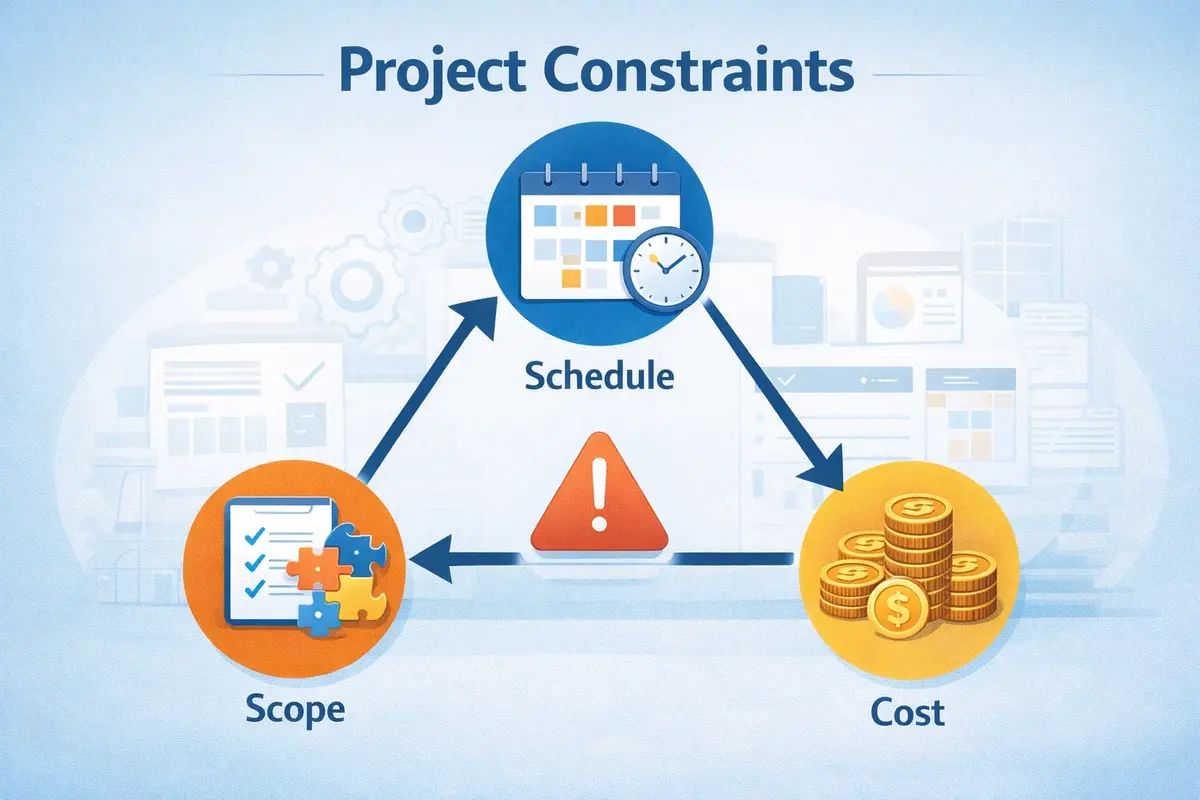
Complex projects often involve numerous stakeholders with varying expectations and priorities. Without a clear framework, these expectations can easily lead to additional requests or changes that disrupt the original plan. The project charter helps prevent these issues by clearly defining the scope and the limits of the project. When new ideas or modifications appear, the charter provides a reference point to evaluate whether the change aligns with the original objectives. This structured approach prevents uncontrolled scope expansion and helps maintain the balance between quality, cost, and delivery timelines. By establishing boundaries early, organizations significantly reduce operational risk and maintain project stability.
Ensuring Alignment With Business Strategy
In modern organizations, projects are key drivers of innovation, transformation, and competitive advantage. The project charter ensures that every initiative contributes directly to the company’s strategic objectives. By clearly describing the expected benefits and measurable outcomes, the charter enables executives to prioritize projects according to their value. This alignment helps organizations allocate resources more efficiently and focus on initiatives with the greatest impact. The charter also improves transparency with stakeholders, including investors, partners, and senior leaders who need a clear understanding of the project’s purpose. When strategy and execution remain aligned, organizations can manage complex project portfolios more effectively.
Project Charter vs Project Plan: Key Differences
The project charter and the project plan serve different purposes within the project lifecycle, although they are closely related. The charter defines the strategic framework and authorizes the project, while the project plan explains how the work will actually be executed. A charter focuses on objectives, stakeholders, scope, and high-level constraints, whereas a project plan includes detailed schedules, task lists, risk management processes, and resource allocation strategies. In practical terms, the charter is used primarily during project initiation to obtain approval and establish direction. The project plan, on the other hand, becomes the operational roadmap used by the project team during execution. Understanding this distinction prevents the charter from becoming overloaded with unnecessary operational detail.
Project Charter vs Business Case
A business case evaluates whether a project should exist from a financial or strategic perspective. It analyzes expected benefits, costs, risks, and return on investment in order to justify the decision to launch the initiative. The project charter builds on this decision by defining how the project will be structured and managed. While the charter may reference the business case to explain the strategic context, its focus lies on governance, roles, and high-level project objectives. The two documents therefore complement each other: the business case validates the opportunity, while the charter formalizes the execution framework.
Project Charter vs Project Brief
A project brief is usually a simplified document that summarizes the concept of a project before a full charter is created. It provides a quick overview of the idea, allowing decision-makers to evaluate whether the initiative deserves further analysis. Once the concept gains approval, the project charter expands this information into a structured document with defined objectives, scope, stakeholders, and governance. Some organizations treat the brief as an early ideation tool and the charter as the official authorization document. This staged approach allows teams to explore ideas quickly while ensuring a rigorous structure once the project moves forward.
Essential Components of a Project Charter
A well-designed project charter contains a set of core elements that provide clarity and strategic direction. Although the exact structure may vary depending on organizational practices or project complexity, certain sections appear consistently in successful charters. These components ensure that all stakeholders understand the purpose, scope, and expectations of the initiative. By organizing the information clearly, the charter becomes a practical communication tool that executives and project teams can easily reference. The presence of these essential elements also ensures that the document supports both strategic alignment and operational readiness.
- Project purpose and strategic justification
- High-level project objectives and expected outcomes
- Scope definition and major deliverables
- Key stakeholders and governance structure
- Project manager authority and responsibilities
- Constraints such as timeline, budget, and resources
- Initial risks and assumptions
- Success criteria and approval process
Project Objectives and Vision
The objectives section explains what the project intends to achieve and why the initiative matters for the organization. Objectives must be defined clearly and supported by measurable indicators to ensure that progress can be evaluated objectively. For example, a digital transformation project may aim to reduce operational costs by 20 percent or improve customer satisfaction scores by a measurable margin. Clear objectives provide direction for the project team and allow executives to assess whether the initiative delivers expected value. This section therefore acts as the strategic anchor of the project charter and guides decisions throughout the project lifecycle.
Project Scope Definition
The scope section clarifies the boundaries of the project by specifying what will be delivered and what falls outside the project’s responsibilities. This distinction is essential because unclear scope definitions often lead to misunderstandings between stakeholders and project teams. The charter should outline the main deliverables, expected outputs, and activities that are included within the initiative. At the same time, it should explicitly identify exclusions that prevent scope expansion during execution. Clear scope definitions allow teams to prioritize tasks effectively and maintain focus on the outcomes that matter most.
Stakeholders and Governance Structure
Projects often involve numerous stakeholders, including executives, sponsors, operational managers, and external partners. The project charter identifies these stakeholders and defines their roles within the governance structure. This section typically names the project sponsor, the project manager, and key decision-makers responsible for approving major milestones. Establishing governance early allows teams to resolve conflicts quickly and maintain accountability across the project lifecycle. Clear governance also supports efficient communication and ensures that decisions are made at the appropriate level within the organization.
How to Write an Effective Project Charter
Writing an effective project charter requires balancing strategic clarity with concise communication. The document should be detailed enough to explain the project’s purpose and constraints while remaining accessible to executives who need a quick overview. A structured approach ensures that all essential elements are included without overwhelming the reader with operational detail. The goal is to create a document that serves both as an authorization tool and as a strategic reference throughout the project lifecycle. Following a clear methodology helps maintain consistency and improves the quality of project initiation across the organization.
Step 1: Define the Problem or Opportunity
The first step in creating a project charter is identifying the business problem or opportunity that the project intends to address. This analysis explains why the project is necessary and how it contributes to organizational objectives. For instance, a company might launch a project to improve supply chain efficiency or implement new digital services for customers. Clearly describing the context helps stakeholders understand the strategic importance of the initiative. This foundation also guides the development of measurable objectives and ensures that the project aligns with the organization’s priorities.
Step 2: Establish Objectives and Deliverables
Once the problem or opportunity is defined, the next step is to determine the objectives and deliverables that will address it. Objectives should align with the broader strategy of the organization and be measurable to support performance evaluation. Deliverables represent the tangible outputs produced by the project, such as products, services, or operational improvements. Clearly defining deliverables helps project teams understand what must be achieved and how success will be measured. This clarity ensures that every team member shares a common understanding of expected outcomes.
Step 3: Identify Constraints and Risks
Every project operates within certain constraints related to budget, time, and available resources. The project charter must identify these constraints to ensure realistic planning and effective resource allocation. It should also include an initial assessment of potential risks that could affect project success. These risks may involve technical challenges, regulatory requirements, or market uncertainties. By documenting them early, organizations can develop mitigation strategies and prepare the project team for potential obstacles. This proactive approach strengthens the resilience of the project and supports better decision-making throughout execution.
Example Structure of a Project Charter
A clear structure makes a project charter easier to read and easier for stakeholders to evaluate. Although each organization may customize its format, successful charters typically follow a consistent framework that presents information logically. This structure ensures that all essential aspects of the project are addressed without overwhelming the reader with unnecessary detail. The goal is to provide a strategic overview that allows decision-makers to quickly understand the project and approve its launch. A well-structured charter also improves communication between executives and project teams.
- Project background and strategic context
- Project objectives and expected outcomes
- Scope definition and major deliverables
- Stakeholders and governance structure
- Constraints, assumptions, and initial risks
- Budget estimate and resource requirements
- Success criteria and performance indicators
- Approval process and sponsor signatures
Common Mistakes in Project Charter Development
Despite its importance, the project charter is sometimes treated as a procedural requirement rather than a strategic document. When organizations underestimate its role, the resulting charter may lack clarity or fail to guide decision-making effectively. Poorly written charters can create confusion among stakeholders and lead to misaligned expectations during project execution. These issues often appear later as delays, budget overruns, or conflicts between teams. Recognizing the most common mistakes allows organizations to strengthen their project initiation practices and improve overall project performance.
Vague or Unmeasurable Objectives
One of the most common mistakes in project charters is defining objectives that are too broad or difficult to measure. Without clear metrics, it becomes challenging to evaluate progress or determine whether the project has succeeded. Teams may interpret objectives differently, leading to inconsistent execution and inefficient resource use. To avoid this issue, objectives should be formulated with precise indicators that allow measurable evaluation. This practice improves accountability and ensures that the project delivers tangible results aligned with strategic goals.
Lack of Clear Scope Definition
Another frequent issue arises when the project scope is not clearly defined. Without explicit boundaries, stakeholders may introduce new requirements or changes that expand the project beyond its original intention. This uncontrolled expansion often leads to delays, increased costs, and operational complexity. The project charter must therefore define both what the project includes and what it intentionally excludes. Establishing these limits helps maintain focus and ensures that the project remains manageable throughout its lifecycle.
FAQ About Project Charters
How long should a project charter be
The ideal length of a project charter depends on the complexity of the initiative and the governance practices of the organization. In most cases, an effective charter ranges between one and three pages, allowing decision-makers to review the document quickly. The goal is to provide enough information to understand the project without introducing operational details better suited for a project plan. A concise charter improves readability and increases the likelihood that stakeholders will use it as an active reference. This balance between clarity and brevity is essential for maintaining strategic alignment.
Who writes the project charter
The project charter is usually drafted by the project manager in collaboration with the project sponsor and key stakeholders. This collaborative process ensures that the document accurately reflects both strategic priorities and operational constraints. The project manager typically organizes the information and structures the document, while the sponsor validates its alignment with business objectives. This partnership strengthens accountability and ensures that the project receives the support necessary for successful execution. A jointly developed charter also improves communication and trust among stakeholders.
Can a project charter change during a project
Although the project charter is approved at the beginning of the project, it may be updated if significant strategic changes occur. For example, major adjustments to the project scope, budget, or timeline may require revising the charter to reflect new conditions. Any modification should be formally approved by the same stakeholders who authorized the original document. Maintaining an updated charter ensures transparency and preserves the integrity of project governance. This practice also provides a clear record of important decisions made during the project lifecycle.