5S Method in Service Companies: A Complete Guide to Structuring Your Organization and Improving Operational Efficiency
The 5S method, historically rooted in industrial environments, has become a powerful strategic lever for service-based organizations. In knowledge-driven businesses, where inefficiencies are often invisible, companies struggle with scattered information, cognitive overload, and poorly structured processes. This is where Lean office practices bring clarity and control to the organization of the workplace and significantly improve operational efficiency. In 2026, a European transformation study revealed that organizations implementing Lean practices in support functions achieved an average productivity increase of 32%. This demonstrates that applying Lean Management services principles is no longer optional but essential to remain competitive, reduce delays, and eliminate waste that silently erodes performance.
Why the 5S Method Is Essential in Service Organizations in 2026
In service environments, inefficiency does not stem from faulty machinery but from poorly organized information, unclear processes, and time lost in non-value-added activities. The 5S method addresses these challenges by bringing structure, clarity, and consistency to intangible workflows. Unlike common misconceptions, Lean Management services is not limited to physical optimization but focuses on improving information flow, decision-making quality, and collaboration. The objective is to transform chaotic environments into structured systems where every element has a clear purpose, location, and value.
Hidden Waste in Service-Based Work Environments
Service companies generate specific types of waste that directly impact performance, even if they are less visible than in manufacturing. Time spent searching for documents, redundant work, unnecessary meetings, and frequent interruptions all reduce productivity. Recent data shows that employees spend an average of 2 hours and 12 minutes per day searching for or recreating information, totaling more than 550 hours annually. The 5S method helps identify and eliminate these inefficiencies by structuring work environments and reducing variability in daily operations.
A Direct Lever for Performance and Employee Engagement
The impact of the 5S method goes far beyond organization alone. It directly influences employee well-being, clarity of responsibilities, and reduction of stress caused by disorganization. By structuring both physical and digital environments, it enables teams to focus on high-value tasks instead of operational friction. In a context where performance relies heavily on collaboration and knowledge sharing, Lean office becomes a strategic tool to align teams, streamline communication, and sustainably improve results.
Understanding the 5 Core Steps of the 5S Method
The 5S method is based on five structured steps originating from Japanese Lean practices, now widely adapted to service environments. These five pillars form a coherent system designed to organize, clean, standardize, and sustain efficient workplaces. Each step contributes to building a stable and high-performing system. The key is not to apply them individually but to integrate them into a continuous improvement approach aligned with business objectives.
Sort (Seiri): Eliminate What Is Unnecessary
The first step focuses on sorting and removing anything that does not add value. In service companies, this includes outdated files, duplicate documents, unused tools, and unnecessary processes. This phase is essential to eliminate waste and free up both mental and organizational space. It also reduces complexity in information systems and improves access to relevant data, directly enhancing productivity.
Set in Order (Seiton): Organize for Accessibility
Once unnecessary elements are removed, the next step is to organize what remains in a logical and intuitive way. Seiton ensures that all items, whether physical or digital, are easy to find and use. In a Lean office, this involves standardizing file structures, naming conventions, and storage systems. This step significantly reduces search time and improves workflow efficiency across teams.
Shine (Seiso): Clean and Detect Issues
Cleaning in service environments goes beyond physical tidiness and includes data quality and process reliability. This step involves correcting errors, updating information, and removing inconsistencies. It helps reveal hidden problems and prevents them from spreading across systems. By maintaining clean and accurate environments, organizations foster a culture of quality and accountability.
Standardize (Seiketsu): Create Consistent Practices
Standardization is often underestimated in service organizations, yet it is a critical component of Lean Management services. It involves documenting best practices and making them accessible to all employees. This includes procedures, templates, and shared guidelines. Standardization reduces variability, improves output quality, and facilitates onboarding of new team members.
Sustain (Shitsuke): Maintain Discipline and Continuous Improvement
The final step focuses on embedding discipline and ensuring long-term adherence to the 5S principles. It requires establishing routines, conducting regular audits, and tracking performance indicators. This phase prevents teams from reverting to old habits and ensures that improvements are sustained over time. It is the foundation of a strong continuous improvement culture.
How to Adapt the 5S Method to Service Organizations
Adapting the 5S method to service environments requires a specific approach focused on information flow and human interactions. Unlike manufacturing, where processes are visible, service workflows are intangible and harder to map. It is therefore essential to identify friction points, inefficiencies, and time losses. This approach transforms complex systems into structured and efficient operations.
Map Information Flows
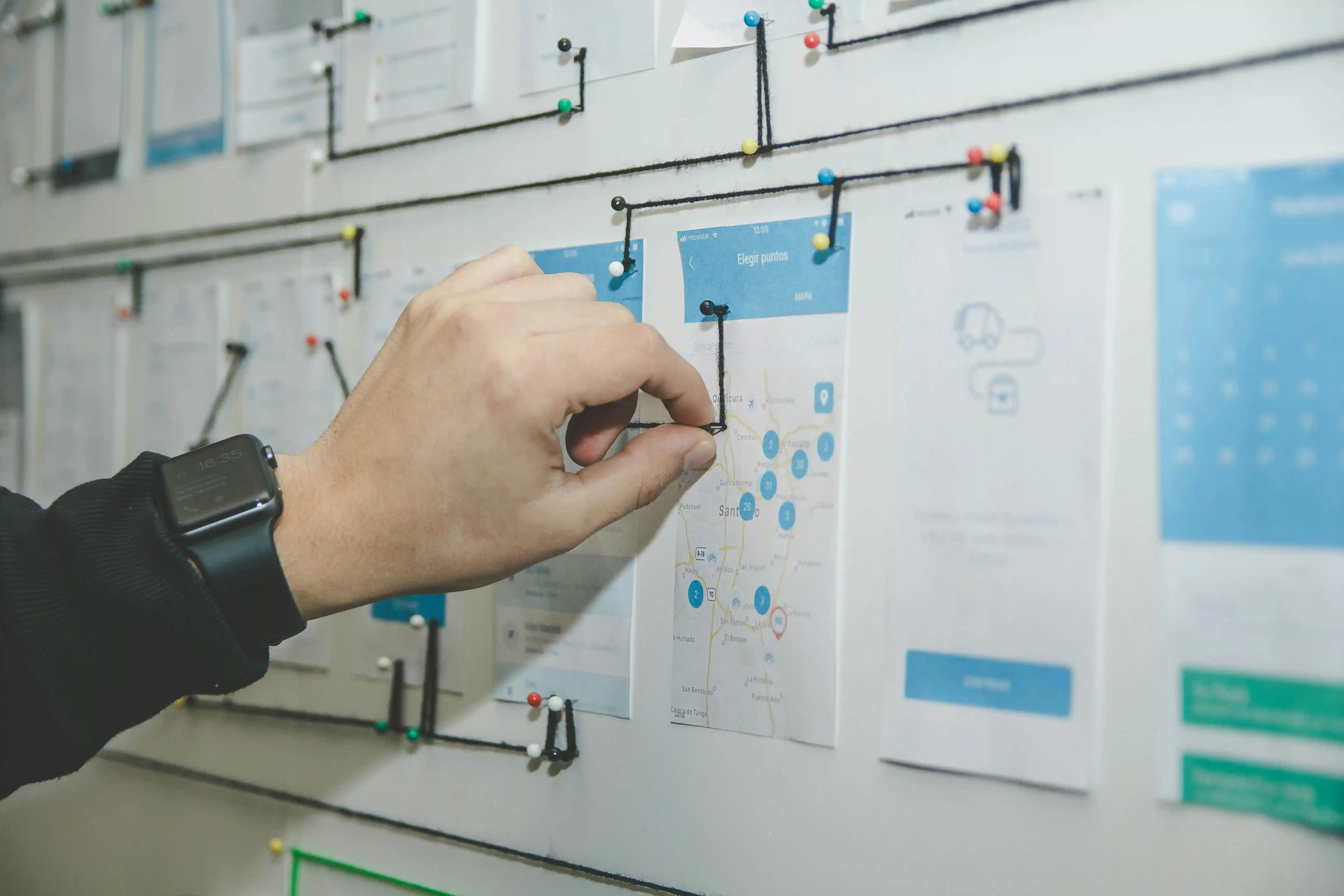
The first step is to analyze how information flows across the organization to identify bottlenecks and inefficiencies. Mapping these flows provides a clear view of interactions between departments and highlights areas of wasted effort. This foundation is essential for implementing the 5S method effectively and improving internal processes while engaging teams in the transformation.
Structure Digital Workspaces
In service companies, the workplace is primarily digital. Structuring digital tools is therefore critical to ensure quick and reliable access to information. This includes file management, email organization, collaborative platforms, and data systems. A well-structured digital environment reduces errors, improves collaboration, and enhances productivity. Lean office heavily relies on this digital organization.
Align Teams Around Shared Standards
The success of the 5S method depends on team alignment and adherence to shared rules. Clear standards must be defined and effectively communicated. This requires training, awareness, and ongoing support. A Lean Management training program helps teams understand the methodology and equips them with the tools needed to implement it successfully. This creates a culture of continuous improvement and collective performance.
Measurable Benefits of 5S in Service Companies
Implementing the 5S method in service organizations generates tangible and measurable results. It reduces processing times, improves quality, and optimizes resource usage. In 2026, companies applying Lean principles in support functions reported an average 28% reduction in internal request processing times. These results highlight the effectiveness of Lean Management services in improving overall performance and competitiveness.
- Reduced time spent searching for information
- Improved process quality
- Fewer errors and redundancies
- Increased team productivity
- Higher customer satisfaction
How to Implement a 5S Project: Key Steps and Best Practices
Successfully implementing a 5S project requires a structured and progressive approach that integrates both technical and human aspects. Clear objectives must be defined, teams must be engaged, and results must be tracked consistently. The deployment should be adapted to the company culture and operational constraints to ensure long-term success and avoid resistance.
Start with a Pilot Project
It is recommended to begin with a pilot project on a limited scope to test the methodology and refine practices. This approach allows organizations to demonstrate quick wins and build momentum. The pilot area should be representative of broader organizational challenges. This step is critical for scaling the 5S method successfully across the organization.
Engage Teams from the Start
Employee involvement is a key success factor in Lean office initiatives. Teams must be included from the beginning through workshops, training sessions, and regular communication. A structured Lean Management training program helps ensure that employees understand the benefits and actively contribute to the transformation.
Measure and Monitor Performance
Performance indicators are essential to evaluate the impact of the 5S method and adjust the approach when necessary. These indicators should be simple, relevant, and aligned with business goals. They help track progress, identify improvement areas, and highlight successes, reinforcing the credibility and sustainability of the initiative.
Why Lean Management Training Is Key to 5S Success
Effective implementation of the 5S method requires specific skills and a deep understanding of Lean principles. A Lean Management training program provides the tools, frameworks, and best practices needed to structure the approach and maximize its impact. It is a strategic investment for companies aiming to improve operational efficiency and drive sustainable performance. At Luckiwi, training programs are tailored to service environments, ensuring practical application and measurable results.
FAQ – 5S Method in Service Organizations
Is the 5S method suitable for small businesses?
The 5S method is highly effective for small businesses because it offers a simple and cost-efficient way to improve organization and efficiency. It helps structure processes quickly and reduce waste without requiring significant investment, making it ideal for agile organizations seeking competitive advantages.
How long does it take to see results?
Initial results from the 5S method can be observed within a few weeks, particularly in terms of time savings and error reduction. However, achieving sustainable results requires a long-term commitment to continuous improvement. Full implementation may take several months depending on the size and complexity of the organization.
What is the difference between Lean office and the 5S method?
Lean office is a broader approach aimed at optimizing service processes, while the 5S method is a specific tool used to organize and structure work environments. Both are complementary and should be used together to maximize results, with 5S often serving as the first step in a broader Lean transformation.
Go further
Recommended training: Lean Management Applied to Services — Eliminate Waste and Boost Performance
Related article: Kaizen: Continuous Improvement to Boost Team Performance