Self-Improvement in the Workplace: The Invisible Lever That Transforms Collective Performance
Professional self-improvement is no longer just a motivational concept reserved for athletes or visionary leaders; it has become a strategic pillar for organizations aiming to strengthen their collective performance and adaptability. In the fast-evolving economic landscape of 2026, companies that succeed are not only those optimizing processes, but those cultivating a growth-oriented mindset among their employees. By developing self-confidence at work, reinforcing team cohesion, and boosting team inspiration, self-improvement becomes a concrete driver of engagement and sustainable innovation. This approach also supports well-being at work and contributes to building a strong company culture, aligned with both human and business challenges.
Why self-improvement has become a strategic priority in 2026
In 2026, companies face a profound shift in employee expectations, particularly regarding meaning, autonomy, and personal development, placing professional self-improvement at the core of HR and managerial strategies. According to a recent 2026 study, 72% of employees report higher engagement when encouraged to grow individually, demonstrating a direct link between personal development and collective performance. This shift reflects a move toward more agile organizational models, where the ability to step outside one's comfort zone becomes a key competitive advantage. Companies that ignore this dimension risk disengagement, lower productivity, and increased difficulty retaining talent. Conversely, those that embrace self-improvement strategies observe tangible improvements in both results and team dynamics.
An economic environment that demands adaptability
Market volatility, rapid technological acceleration, and increasing project complexity require employees to continuously develop their skills and adaptability, reinforcing the importance of professional self-improvement. Teams can no longer rely solely on execution; they must learn, experiment, and evolve constantly to remain effective. This dynamic transforms the relationship with work, where failure becomes a learning opportunity and individual progress directly fuels collective performance. Organizations that foster this mindset create environments that support innovation and resilience, two essential assets in uncertain conditions. This also requires leadership capable of valuing effort, growth, and engagement beyond immediate outcomes.
The evolution of employee expectations
New generations of employees seek more than just a job; they want an environment that supports their development and enhances self-confidence at work. This search for meaning and growth pushes companies to rethink management and training approaches by integrating strategies that promote professional self-improvement. Employees now expect enriching experiences, stimulating challenges, and recognition of their efforts, transforming organizational practices. By meeting these expectations, companies strengthen team inspiration and create conditions for long-term engagement. This shift also contributes to improved well-being at work, now a central component of modern HR strategies.
The direct link between individual mindset and collective performance
An individual’s mindset directly influences how they approach challenges, handle failure, and collaborate with others, making it a key driver of collective performance. A growth-oriented mindset encourages initiative, creativity, and perseverance, all essential qualities in demanding professional environments. By fostering professional self-improvement, companies enable employees to exceed their limits and achieve higher levels of performance. This creates a positive ripple effect, where individual progress strengthens team dynamics and cohesion. Conversely, a fixed mindset limits adaptability and slows innovation, directly impacting organizational outcomes.
Self-confidence as a performance driver
Self-confidence at work is a crucial lever of professional self-improvement, as it empowers employees to take risks, experiment, and fully engage in their roles. Confident individuals are more likely to share ideas, take ownership, and step outside their comfort zones, directly contributing to collective performance. Companies investing in confidence-building initiatives see significant increases in engagement and productivity. This also fosters a healthier work environment where employees feel valued and legitimate. Strengthening individual confidence ultimately creates the foundation for effective and sustainable collaboration.
The impact of self-improvement on team cohesion
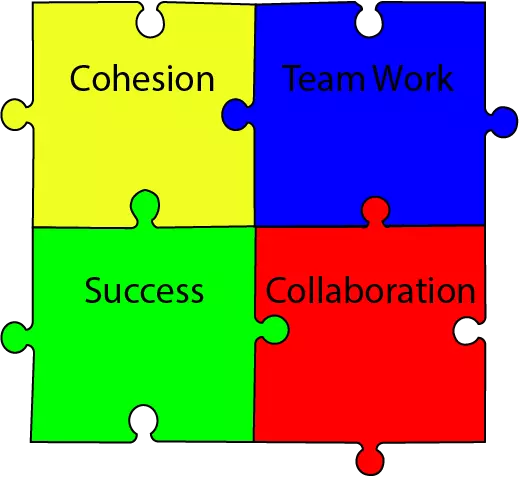
Professional self-improvement is not only an individual process; it plays a key role in shaping a collaborative and high-performing company culture. When employees share a common drive to grow, they develop stronger mutual support and solidarity, enhancing team cohesion. This dynamic boosts team inspiration and creates an environment where everyone feels encouraged in their efforts. Teams become more resilient in the face of challenges and more effective in solving complex problems. This synergy between individual and collective growth represents a significant competitive advantage.
How to embed self-improvement into company culture
Integrating professional self-improvement into a company culture requires a structured and consistent approach involving managers, employees, and training systems. The goal is not to increase pressure but to create an environment that encourages growth, learning, and initiative. Companies must implement practices that enhance self-confidence at work and team inspiration, while aligning these efforts with strategic objectives. This approach also improves well-being at work by giving meaning to employees’ efforts. A culture focused on growth becomes a sustainable performance engine.
The key role of leadership
Managers play a decisive role in promoting professional self-improvement, as they directly influence motivation and work perception. Inspiring leadership encourages risk-taking, values effort, and supports employee development. This approach strengthens self-confidence at work and boosts collective performance. Managers must also create psychological safety, allowing employees to express themselves freely and learn from mistakes. By doing so, they help build a dynamic and positive company culture.
Practical levers to activate
To effectively integrate professional self-improvement, companies can rely on several operational levers that promote engagement and growth. These actions must align with overall strategy and team needs, reinforcing team inspiration and improving collective performance. The following are key actions to implement:
- Organize corporate conferences focused on mindset and motivation
- Develop training programs centered on individual growth
- Encourage regular and constructive feedback
- Recognize effort and initiative, even in failure
- Create spaces that foster team inspiration and collaboration
Corporate conferences: a powerful transformation catalyst
Organizing a corporate conference focused on professional self-improvement is a highly effective way to initiate positive momentum within teams. Such events raise awareness, share inspiring experiences, and trigger collective realization. By exposing employees to real-life stories and practical tools, conferences enhance team inspiration and boost motivation. They also help build self-confidence at work, showing that self-improvement is accessible to everyone. This approach creates immediate and lasting impact on collective performance.
Why a free conference can change everything
Offering a free corporate conference on professional self-improvement removes barriers and encourages broad participation. This accessibility increases engagement and amplifies the initiative’s impact. A well-designed conference can shift perceptions of work and strengthen company culture in just a few hours. It acts as a trigger capable of influencing behaviors and boosting team inspiration. By providing this opportunity, companies invest in human development with a direct return on collective performance.
Measurable benefits for organizations
Companies integrating corporate conferences into their strategy report measurable results in engagement and performance. On average, organizations implementing such initiatives see an 18% increase in team productivity and a significant improvement in well-being at work. These results stem from a better understanding of professional self-improvement and increased self-confidence at work. Conferences act as transformation accelerators by aligning individuals around a shared vision. They also strengthen company culture and enhance team cohesion.
FAQ: Going beyond your limits at work
Why talk about self-improvement in the workplace?
Discussing professional self-improvement creates positive momentum within teams and strengthens collective performance. This approach fosters engagement, motivation, and innovation while improving well-being at work. It also enhances self-confidence at work, which is essential for overcoming professional challenges. By integrating this concept into company culture, organizations position themselves for sustainable growth. It also helps meet employee expectations for personal development.
How can companies encourage self-improvement?
Encouraging professional self-improvement requires creating a supportive and stimulating work environment where employees feel empowered to grow. Managers should recognize effort, promote initiative, and encourage team inspiration. Training programs, regular feedback, and corporate conferences are also effective tools. This approach strengthens self-confidence at work and improves collective performance. It ultimately contributes to a dynamic and growth-oriented company culture.
What are the tangible results of self-improvement?
Professional self-improvement generates measurable outcomes, including higher productivity, stronger engagement, and improved team cohesion. It enhances collective performance by encouraging proactive and innovative behaviors. This approach also improves well-being at work by giving meaning to employees’ roles and recognizing their efforts. It strengthens self-confidence at work and fosters a positive company culture. Organizations adopting this mindset become more attractive, resilient, and high-performing.
Go further
Recommended training: Luckiwi Inspiration — Team Building Conference to Boost Engagement and Cohesion
Related article: How to Re-Motivate a Demotivated Team: Inspiring Leadership Strategies