
Software Development in Lyon: The Complete Guide to Building a Successful Custom Software Project in 2026
Software development in Lyon plays a strategic role in the French digital economy. The Lyon metropolitan area has become one of the country’s most important technology hubs thanks to its dynamic ecosystem combining startups, industrial SMEs, major corporations, and research centers. Organizations are increasingly looking for digital solutions capable of automating business processes, connecting information systems, and improving the user experience for customers and employees. In this context, working with a software development agency or a tech consulting firm in Lyon becomes a central lever for designing business applications, SaaS platforms, and tailored information systems. Understanding the technical challenges, development methods, costs, and criteria for selecting a provider helps secure a software project and ensures the final solution truly aligns with the company’s strategic objectives.
Lyon: A Major Technology Ecosystem for Software Development
The Lyon metropolitan area is one of the most dynamic regions in France when it comes to innovation and software engineering. The presence of engineering schools, research laboratories, and technology incubators fosters the emergence of specialized skills in application design, software architecture, and cybersecurity. Local companies therefore benefit from direct access to a large pool of qualified developers capable of building complex digital solutions. This concentration of expertise also attracts national and international companies that choose Lyon to develop their software products or modernize their information systems.
According to several digital market analyses published in 2026, the Auvergne-Rhône-Alpes region ranks among the top three French regions in terms of employment in the technology sector. The Lyon metropolitan area alone concentrates thousands of software engineers, cloud specialists, technical architects, and data experts. This density of expertise encourages the creation of software development agencies, digital studios, and IT consulting firms specialized in product development. As a result, businesses operating in the region can choose between several support models ranging from technology consulting to full end-to-end development of custom digital solutions.
A Territory That Encourages Software Innovation
The economic landscape of Lyon encourages technological innovation thanks to the diversity of its industrial sectors. Healthcare, mobility, manufacturing, and finance represent major opportunities for building specialized software solutions. Companies operating in these industries often need digital tools capable of managing large volumes of data, integrating with existing systems, or complying with strict regulatory frameworks. This level of complexity encourages the development of custom software solutions specifically designed to meet business requirements instead of relying on generic applications.
The proximity between companies, research institutions, and engineering schools also facilitates technological collaboration. Startups can quickly experiment with new digital products while large corporations benefit from a favorable environment for modernizing their information systems. This synergy helps position Lyon as a strategic city for developing web applications, mobile platforms, and advanced software systems. Projects developed in the region cover a wide range of areas including artificial intelligence, SaaS platforms, embedded systems, and industrial data platforms.
Understanding Software Development and Its Different Forms
Software development refers to all the activities required to design, build, test, and deploy an application that meets a specific business need. This process includes several essential stages ranging from functional analysis to maintenance in production. Companies that invest in software generally aim to automate internal operations, improve data management, or create new digital services for their customers. The success of a software project therefore depends on the ability to transform a business requirement into a reliable and scalable technical solution.
In practice, software development can take different forms depending on the company’s goals and the complexity of the project. Some organizations prefer integrating existing software tools, while others choose to build fully customized applications. The decision often depends on the level of specificity in business processes, the available budget, and the degree of control required over the solution. Companies in Lyon increasingly adopt modern architectures based on cloud infrastructure, microservices, and APIs to ensure the long-term scalability of their digital systems.
Business Software
A business application is software designed to support specific operational processes within an organization. These tools can manage production workflows, logistics operations, financial reporting, or human resource planning. Unlike standardized solutions, a business application adapts precisely to the company’s internal processes. Many organizations in Lyon rely on these solutions to optimize productivity and eliminate repetitive manual tasks that reduce operational efficiency.
Professional Web Applications
A web application is a software solution accessible through a web browser. This type of system allows employees to access business tools and data from any connected device, making remote work and collaboration easier. Web applications are widely used in digital transformation initiatives because they provide flexibility in deployment and continuous updates. Software development agencies in Lyon frequently build such platforms for internal management tools, customer portals, and online services.
SaaS Platforms
The SaaS (Software as a Service) model allows companies to provide software through an online subscription model. Instead of installing programs locally on computers, users access the platform through the internet. This approach enables organizations to distribute digital products at scale while maintaining centralized control of updates and infrastructure. Many startups in Lyon adopt this model to commercialize management tools, analytics platforms, or collaborative applications. However, designing a SaaS product requires a robust architecture capable of supporting large numbers of simultaneous users.
Why Choose Custom Software Development
Custom software development addresses a common challenge faced by many organizations: standard tools often fail to cover all operational requirements. When companies operate complex workflows or unique processes, they may be forced to adapt their operations to the limitations of generic software. This situation can lead to productivity loss, operational errors, or inefficient data management. Building a custom software solution allows companies to create a digital tool that perfectly reflects their real operational needs.
Custom software also provides complete control over the evolution of the system. Organizations can add new features, integrate additional modules, or connect the software with other internal systems as their needs evolve. This flexibility represents a strategic advantage in an environment where digital requirements change rapidly. Many companies in Lyon increasingly adopt custom development to support their digital transformation and maintain control over their technological infrastructure.
Strategic Advantages of Custom Software
The benefits of a custom solution become clear when analyzing the operational impact on business performance. Software designed specifically for an organization can automate repetitive tasks, improve information flows, and reduce human errors. Employees benefit from tools that match their daily workflows, allowing them to focus on higher-value activities. This optimization of internal processes directly contributes to improved efficiency and competitive advantage.
Another major benefit concerns the ownership of the software code. Unlike commercial software products, custom applications belong to the organization that funded their development. This intellectual ownership ensures complete freedom regarding future improvements and prevents dependency on external vendors. In a constantly evolving digital environment, having a flexible and adaptable system becomes a decisive asset for long-term competitiveness.
The Key Phases of a Software Development Project
The success of a software project depends on a structured methodology capable of transforming an idea into a fully operational digital product. Software development agencies in Lyon commonly rely on agile methodologies to deliver functional features progressively. This approach encourages collaboration between technical teams and business stakeholders, reducing the risk of misunderstandings. Each phase of the development lifecycle contributes to ensuring the final product meets both technical standards and business expectations.
A typical software project involves coordination between several professional roles including business analysts, software architects, developers, designers, and project managers. Each of these experts contributes a specific skill set necessary for building a reliable digital product. This multidisciplinary collaboration explains why many organizations choose to work with specialized agencies capable of managing the entire product lifecycle.
Main Stages of Software Development
Developing a professional software solution generally follows a structured process composed of several key phases. Each stage contributes to the overall quality and stability of the final application. Understanding these steps helps organizations manage their digital projects more efficiently and anticipate the resources required for implementation.
- Project discovery: analysis of business requirements and definition of functional objectives.
- Technical architecture: selection of technologies and modeling of system architecture.
- UX and interface design: creation of user experience and validation of application flows.
- Software development: coding of features and integration of system components.
- Testing and quality assurance: validation of performance, reliability, and security.
- Deployment and maintenance: production release and long-term technical monitoring.
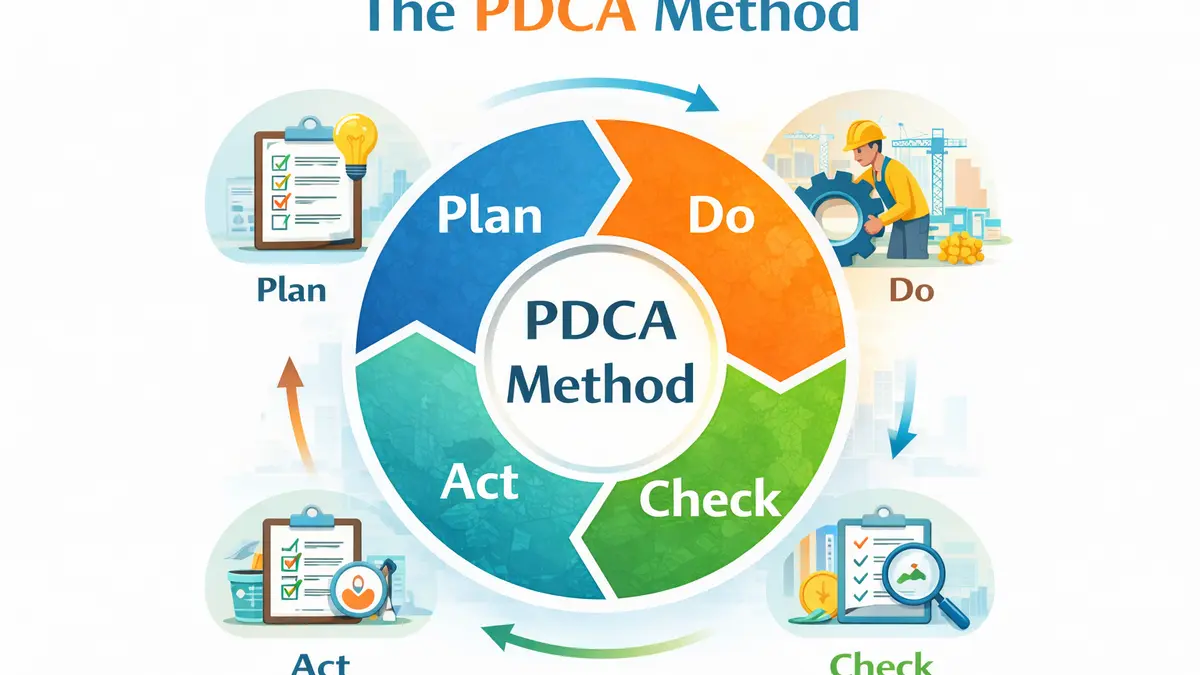
These phases do not always occur in a strictly linear order, especially when teams adopt agile development practices. Iterative cycles allow developers to continuously improve the product based on user feedback. This approach results in software that better meets real-world needs while reducing the risks associated with large, rigid development cycles.
How Much Does Software Development Cost in Lyon
The cost of software development in Lyon varies depending on several technical and organizational factors. Functional complexity, number of users, security requirements, and integration with existing systems can significantly impact the budget required. Some projects may require only a few weeks of development while complex platforms may involve several months of work by multidisciplinary teams. Understanding these variables helps organizations better estimate their investment before launching a project.
In practice, professional software development projects can range widely in price depending on their scope. Internal applications with limited functionality may start at around €15,000, while complex SaaS platforms or enterprise systems may exceed €200,000. A full development team often includes developers, software architects, UX designers, and project managers. The collaboration between these specialized roles explains why budgets vary significantly across different digital projects.
Factors Influencing Software Project Costs
Several elements determine the final budget of a software project. The first factor concerns functional complexity because each additional feature requires design, coding, and testing efforts. The second factor relates to integration with existing company systems such as ERP, CRM, or data management platforms. Connecting multiple systems often increases the technical complexity and duration of development.
Security requirements and performance expectations also influence project costs. Applications handling sensitive data or supporting large user volumes require more robust architectures and extensive testing procedures. In addition, maintenance and future updates must be considered when planning the budget to ensure the long-term sustainability of the solution. Companies that anticipate these aspects early in the project often achieve better long-term results.
How to Choose a Software Development Agency in Lyon
Selecting a technology partner for a software project represents a strategic decision that directly impacts the success of the initiative. A software development agency in Lyon should combine strong technical expertise with a deep understanding of the client’s business challenges. Choosing a partner should therefore go beyond simple price comparison, as collaboration quality and development methodology play a crucial role in project outcomes. Organizations that carefully evaluate their partners generally achieve more reliable results.
The first step involves analyzing the agency’s experience with similar projects. A development team that has already worked in the same industry will better understand operational constraints and propose more relevant solutions. It is also important to evaluate communication quality and transparency in the development process. Agencies capable of clearly explaining technical decisions usually inspire greater confidence and build stronger partnerships.
Essential Criteria for Selecting a Technology Partner
Several criteria can help evaluate the reliability and expertise of a software development agency. Conducting a structured assessment enables companies to choose a partner capable of successfully delivering the project. This evaluation also helps anticipate potential challenges and establish an effective collaboration between technical teams and business stakeholders.
- Technical expertise: strong experience with modern technologies and complex systems.
- Development methodology: use of agile practices enabling continuous improvement.
- Communication quality: clear explanation of project phases and technical decisions.
- Client references: proven experience with successful digital projects.
- Maintenance capability: long-term support and software evolution management.
A strong technology partner acts as a strategic advisor rather than simply a service provider. They help organizations define their digital roadmap and design solutions aligned with business growth objectives. This long-term collaboration allows companies to continuously evolve their digital tools and adapt to market changes.
Software Development Trends in 2026
The software development industry evolves rapidly as new technologies and digital practices emerge. Organizations must constantly adapt their information systems to remain competitive and meet user expectations. Cloud infrastructure, artificial intelligence, and modular architectures are transforming the way digital products are designed. Companies operating in Lyon are gradually adopting these innovations to build more scalable and resilient digital solutions.
In 2026, several technology studies indicate that more than 70% of new enterprise applications are now designed to operate within hybrid cloud environments. This transformation enables companies to benefit from better scalability while simplifying infrastructure management. Microservice architectures are also becoming increasingly common because they facilitate software maintenance and continuous evolution. Software development agencies in Lyon increasingly integrate these technologies into their projects to improve application performance and flexibility.
Emerging Technologies
Artificial intelligence represents one of the most influential developments in modern software engineering. Organizations are now integrating machine learning algorithms to analyze data, automate decisions, and improve user experience. Applications equipped with predictive analytics can anticipate customer behavior, optimize supply chains, or detect anomalies in operational systems. This technological shift is particularly visible in sectors such as logistics, healthcare, and financial services.
Containerization and orchestration technologies also play a key role in modern software architectures. These solutions allow applications to run as independent services that can evolve without affecting the entire system. This modular approach improves resilience and simplifies software updates. Development teams in Lyon increasingly rely on these practices to build scalable and maintainable applications capable of adapting to future technological changes.
FAQ About Software Development in Lyon
Why choose a local agency for a software project
Working with a software development agency in Lyon offers several organizational and strategic advantages. Geographic proximity facilitates communication between technical teams and business stakeholders, allowing faster clarification of project requirements. Face-to-face meetings often improve collaboration and reduce misunderstandings during the development process. This close interaction can accelerate decision-making and improve the overall quality of the project.
Local agencies usually have a strong understanding of the regional economic landscape and the industries present in the area. This knowledge allows them to anticipate specific constraints and propose solutions adapted to local market conditions. Companies operating in Lyon therefore benefit from a technology partner capable of understanding their strategic challenges and supporting their digital transformation initiatives.
How long does it take to develop software
The duration of a software development project depends primarily on the complexity of the application and the number of features required. Simple tools can sometimes be developed within a few weeks, while large enterprise platforms may require several months of work. Development teams often deliver features through short iterative cycles to ensure regular progress and continuous feedback from users.
A full software project typically includes phases such as business analysis, technical design, development, testing, and deployment. Each stage requires sufficient time to guarantee the reliability and security of the application. Organizations that clearly define their requirements during the early stages of the project often reduce the overall development timeline.
Is custom software always the best option
The decision between custom software and off-the-shelf solutions depends on the level of specificity in business requirements. Standard tools can be sufficient when company processes align with the features offered by the software. In such cases, adopting an existing solution may reduce implementation costs and accelerate deployment.
However, when business processes are complex or highly differentiated, custom development often becomes the most effective solution. A tailored system allows organizations to design tools that perfectly match their operations while maintaining the flexibility to evolve over time. This adaptability represents a significant advantage for companies pursuing ambitious digital transformation strategies.