
Sprint Planning: Complete Guide to Running an Effective Scrum Sprint Planning in 2026
Sprint planning is one of the most critical events in the Scrum framework because it defines the operational direction of an entire sprint and aligns product strategy with execution. During this collaborative session, the Product Owner, Scrum Master, and development team transform the prioritized Product Backlog into a concrete plan that can realistically be delivered within the sprint timeframe. The goal is not merely to select tasks but to establish a shared understanding of the work, define a clear Sprint Goal, and determine how the team will achieve it. In modern agile organizations, sprint planning has become a strategic ritual that influences delivery predictability, team velocity, and product quality. In 2026, according to the Agile Trends Report, more than 71% of digital product teams rely on Scrum or Scrum-inspired frameworks, making sprint planning one of the most widely practiced agile ceremonies in software development. When conducted properly, this meeting strengthens collaboration, reduces uncertainty, and ensures that every sprint produces a meaningful increment of the product.
Understanding Sprint Planning in the Scrum Framework
The sprint planning meeting marks the official beginning of a sprint and converts high-level product priorities into actionable development work. Instead of starting a sprint with vague assumptions, Scrum teams use this event to align expectations, define deliverables, and establish a structured approach to achieving the sprint objective. This meeting also ensures that everyone understands the scope and value of the upcoming work before development begins. By clarifying priorities and technical execution in advance, sprint planning minimizes confusion during the sprint and enables the team to focus on delivering value.
Definition of Sprint Planning
Within Scrum, sprint planning is defined as the event where the team determines what work will be performed during the sprint and how that work will be completed. This definition highlights two key aspects of agile planning: collaboration and adaptability. Rather than creating a rigid project plan, the team builds a realistic forecast based on available knowledge, capacity, and priorities. The meeting ensures that the team begins the sprint with a clear direction and a shared understanding of responsibilities. This collaborative planning process increases transparency and reduces misalignment across the team.
The Strategic Importance of Sprint Planning
Effective sprint planning plays a strategic role in agile product development because it connects product vision with day-to-day execution. Without a structured planning session, teams risk working on disconnected tasks that do not contribute to a coherent product outcome. By defining a clear sprint goal and selecting the most valuable backlog items, the team ensures that each sprint produces measurable progress. This alignment improves delivery predictability, reduces rework, and allows stakeholders to track progress more effectively.
The Core Objectives of Sprint Planning
The sprint planning event serves several essential objectives that extend far beyond simple task selection. The meeting establishes clarity, promotes collaboration, and ensures that the team is working toward a meaningful product outcome. By focusing on these objectives, Scrum teams transform planning from a routine meeting into a powerful alignment tool that drives productivity and delivery quality.
Defining a Clear Sprint Goal
The Sprint Goal represents the central objective of the sprint and provides a shared direction for the entire team. Unlike a list of tasks, the sprint goal describes the value that the sprint is intended to deliver. For example, instead of stating that several technical tasks will be completed, the goal might focus on improving the onboarding experience for new users or implementing a key payment feature. A well-defined sprint goal helps the team prioritize work, make better decisions, and stay focused on delivering meaningful product improvements.
Creating a Realistic Work Plan
Another critical objective of sprint planning is the creation of a realistic work plan that reflects the team’s true capacity. The team selects backlog items based on complexity, dependencies, and available time during the sprint. When planning is grounded in realistic expectations, teams maintain a sustainable pace and avoid the common problem of unfinished work at the end of a sprint. Over time, consistent planning improves delivery predictability and strengthens trust with stakeholders.
The Three Key Questions of Sprint Planning
Sprint planning is structured around three fundamental questions that guide the discussion and help the team transform product priorities into actionable work. These questions ensure that the team understands both the purpose of the sprint and the technical approach required to achieve the goal. By addressing these questions systematically, Scrum teams maintain focus and avoid unproductive debates.
Why Is This Sprint Valuable?
The first question focuses on the value that the sprint will deliver. The Product Owner explains the product priorities and describes how the selected backlog items contribute to the product roadmap. This discussion helps the team understand the business context behind the work and ensures that everyone shares the same vision of success. When teams understand the value of their work, they become more motivated and committed to achieving the sprint goal.
What Can Be Completed During the Sprint?
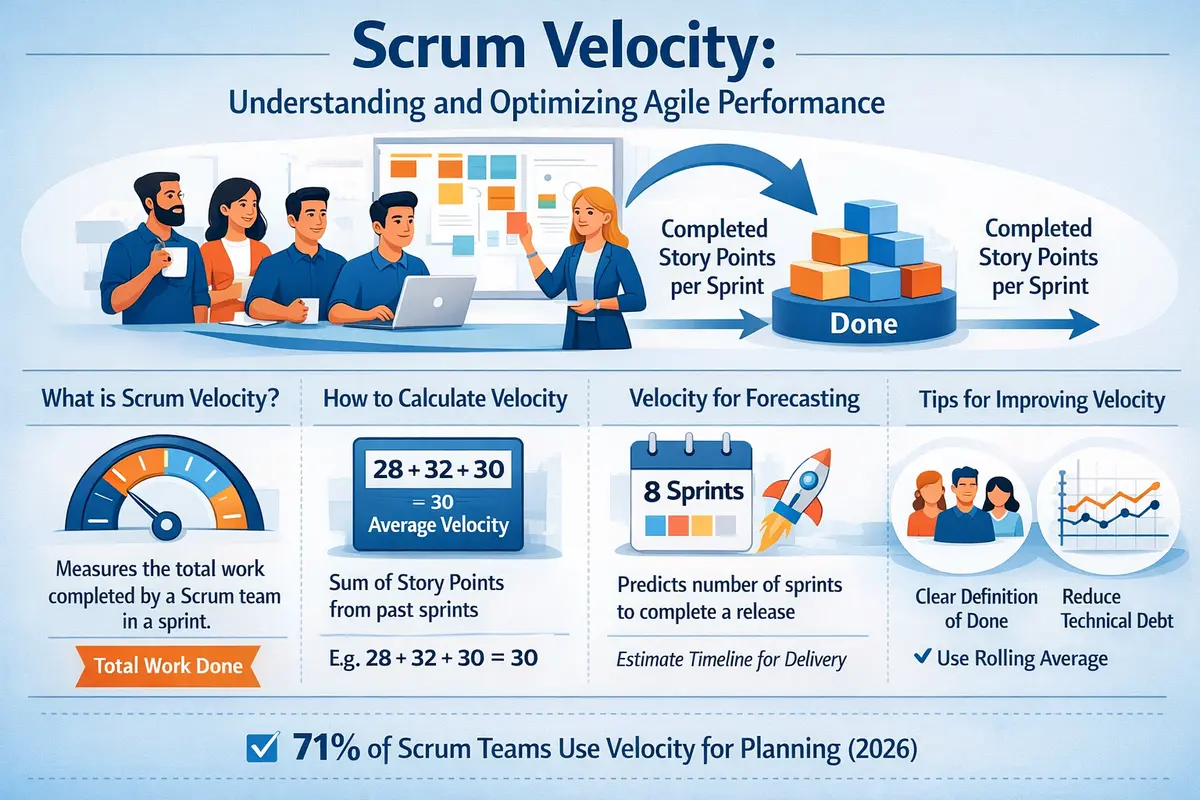
The second question concerns the selection of Product Backlog items that will be included in the sprint. The development team evaluates the complexity of each item and determines how much work can realistically be completed within the sprint timeframe. Teams often rely on historical metrics such as velocity or story point averages to guide this decision. The selected items form the basis of the Sprint Backlog, which represents the team’s plan for the sprint.
How Will the Work Be Done?
The final question addresses the technical execution of the sprint. Developers break down backlog items into smaller tasks and identify the steps required to deliver each feature. This discussion allows the team to anticipate technical challenges, dependencies, and potential risks before the sprint begins. By clarifying the implementation approach early, the team increases efficiency and reduces unexpected obstacles during the sprint.
Key Roles in the Sprint Planning Meeting
The effectiveness of sprint planning depends on collaboration between the different roles defined in the Scrum framework. Each role contributes a unique perspective that helps the team create a balanced and achievable sprint plan. When these roles function effectively together, sprint planning becomes a productive decision-making session rather than a routine meeting.
The Product Owner
The Product Owner represents the voice of the customer and ensures that the most valuable product features are prioritized during sprint planning. This role involves presenting the top backlog items, explaining their business value, and clarifying the acceptance criteria for each feature. The Product Owner also answers questions from the development team and ensures that everyone understands the expected outcome. Clear communication from the Product Owner enables the team to make informed decisions and select the most impactful work for the sprint.
The Scrum Master
The Scrum Master facilitates the sprint planning meeting and ensures that the discussion follows Scrum principles. This role focuses on creating an environment where the team can collaborate effectively and make decisions efficiently. The Scrum Master also helps identify obstacles that could affect the sprint and encourages open communication among team members. By guiding the process and maintaining focus on the sprint goal, the Scrum Master improves the quality of the planning session.
The Development Team
The development team is responsible for determining how the selected work will be completed during the sprint. Developers analyze backlog items, estimate their complexity, and propose technical solutions that align with the sprint goal. Their expertise ensures that the sprint plan is technically feasible and realistic. Because the development team performs the work, it ultimately decides how much work can be committed to the sprint.
Essential Inputs for Sprint Planning
Successful sprint planning relies on well-prepared inputs that allow the team to focus on decision-making rather than clarification. When the backlog is incomplete or poorly prioritized, planning discussions become inefficient and lead to inaccurate commitments. Proper preparation ensures that sprint planning remains focused, productive, and aligned with product priorities.
A Prioritized Product Backlog
The Product Backlog should be clearly prioritized before the sprint planning meeting begins. High-priority items should include detailed descriptions, acceptance criteria, and preliminary estimates so that the team can quickly evaluate them. This preparation reduces the time spent clarifying requirements during the meeting and allows the team to concentrate on selecting and planning the most valuable work.
The Team’s Available Capacity
Team capacity represents the amount of time the team can realistically dedicate to development during the sprint. This calculation includes factors such as vacations, internal meetings, and other commitments that reduce available working time. Understanding capacity helps the team avoid unrealistic commitments and maintain a sustainable pace of work. Many teams combine capacity analysis with historical velocity metrics to improve planning accuracy.
Step-by-Step Process for Effective Sprint Planning
Effective sprint planning typically follows a structured sequence of steps that guide the team from product priorities to a finalized sprint plan. This structured approach ensures that the discussion remains focused and that all critical decisions are made before development begins. Teams that follow a consistent planning process often achieve better predictability and higher delivery quality.
- Review product priorities presented by the Product Owner
- Define the Sprint Goal
- Select Product Backlog items for the sprint
- Break down work into tasks
- Confirm the Sprint Backlog and team commitment
Selecting Backlog Items
The selection of backlog items is one of the most important steps in sprint planning because it determines the scope of the sprint. The team evaluates each item’s complexity and aligns it with the available capacity for the sprint. This evaluation often relies on story point estimates and historical velocity data. The goal is to create a balanced sprint backlog that is ambitious but achievable.
Breaking Work into Technical Tasks
After selecting backlog items, the development team breaks them down into smaller technical tasks that can be completed during the sprint. This decomposition improves visibility and allows the team to track progress more effectively. It also helps identify dependencies and potential blockers before development begins. By clarifying the implementation steps early, the team reduces uncertainty and increases execution efficiency.
Best Practices for Successful Sprint Planning
Several best practices can significantly improve the effectiveness of sprint planning. These practices focus on preparation, collaboration, and realistic expectations, which are essential for maintaining a sustainable development rhythm. Teams that consistently apply these principles tend to deliver more predictable results and experience fewer disruptions during the sprint.
- Prepare backlog items before the meeting
- Define a clear and measurable sprint goal
- Encourage participation from all team members
- Avoid committing to excessive work
- Focus discussions on value and feasibility
Common Sprint Planning Mistakes
Even experienced Scrum teams sometimes struggle with sprint planning due to common mistakes that reduce meeting effectiveness. Recognizing these mistakes allows teams to improve their planning process and increase their chances of delivering successful sprints. Continuous improvement in planning practices leads to more stable development cycles and better product outcomes.
Overcommitting to Too Much Work
One of the most frequent mistakes in sprint planning is selecting more work than the team can realistically complete. This often happens when teams feel pressure to deliver more features or when capacity is not accurately calculated. Overcommitment leads to unfinished work and creates uncertainty about future planning. Successful teams adopt a conservative planning approach that prioritizes completion over excessive scope.
Unclear Requirements in Backlog Items
Poorly defined backlog items create confusion during sprint planning and slow down the development process. When requirements are unclear, the team must spend additional time clarifying expectations during the sprint. This delay reduces productivity and increases the risk of delivering features that do not meet stakeholder expectations. Well-refined backlog items help teams start the sprint with clarity and confidence.
FAQ About Sprint Planning
How long should a sprint planning meeting last?
The recommended timebox for sprint planning is typically up to 8 hours for a one-month sprint, although most teams run shorter sprints and therefore require less planning time. For example, a two-week sprint usually requires around two to four hours of planning. If the meeting consistently exceeds this duration, it may indicate that backlog items are not sufficiently prepared or that discussions are becoming overly technical.
What is the difference between sprint planning and backlog refinement?
Backlog refinement focuses on preparing backlog items before the sprint planning meeting by clarifying requirements and estimating complexity. Sprint planning, on the other hand, is the event where the team selects which items will be completed during the sprint and determines how they will be implemented. This separation ensures that the planning meeting remains focused on decision-making rather than requirement clarification.
Can the sprint plan change during the sprint?
The sprint plan is considered a forecast rather than a fixed contract, which means the team can adjust tasks if new information emerges during the sprint. However, any adjustments should remain aligned with the Sprint Goal to maintain strategic focus. This flexibility allows agile teams to respond to changing circumstances while still delivering meaningful value at the end of the sprint.