Technology Watch: Complete Framework, Tools, Strategy and ROI in 2026

Technology watch has become a core strategic discipline for organizations operating in environments shaped by artificial intelligence, cybersecurity, automation, biotechnology and energy transition. In 2026, technological cycles accelerate at unprecedented speed, forcing companies to anticipate disruptions rather than react to them. According to a 2026 industry benchmark by Gartner, 74% of high-performing organizations have implemented a formalized technology watch system integrated into executive decision-making processes. This shift confirms that monitoring innovation is no longer optional but fundamental to competitiveness and long-term resilience. A structured approach transforms fragmented information into actionable insights that guide investment, R&D prioritization and risk mitigation strategies. Organizations that master this process reduce uncertainty and convert technological change into sustainable competitive advantage.
Definition and Strategic Scope of Technology Watch
Technology watch, sometimes referred to as technology monitoring or technological intelligence, is a structured process of collecting, analyzing and disseminating information about emerging technologies, patents, standards, research breakthroughs and innovation trends that may impact an organization. It operates within the broader framework of competitive and strategic intelligence while focusing specifically on technological evolution. The objective is not to accumulate data but to identify signals that influence strategic positioning, product development and operational transformation. A mature technology watch system filters relevant information from vast data flows and contextualizes it for decision-makers. It bridges the gap between technological exploration and business strategy.
Technology Watch vs Competitive and Scientific Intelligence
Distinguishing technology watch from related intelligence practices enhances organizational clarity and efficiency. Competitive intelligence analyzes competitors’ strategies, partnerships, pricing models and market positioning, whereas scientific intelligence focuses on academic publications, laboratories and fundamental research discoveries. Technology watch stands at the intersection by assessing the practical application, commercialization potential and industrial maturity of innovations. It examines patent filings, open-source developments, technical standards and prototype announcements to evaluate real-world impact. This differentiation enables companies to allocate responsibilities effectively and prevent strategic dilution.
Why Technology Watch Is Critical in 2026
In 2026, the lifespan of digital technologies continues to shorten, with certain software architectures becoming obsolete within eighteen months. Organizations must therefore adopt proactive monitoring systems to remain competitive and avoid technological lock-in. The acceleration of artificial intelligence models, quantum computing experimentation and advanced robotics amplifies the need for continuous environmental scanning. Innovation management increasingly depends on early detection of disruptive trends and strategic foresight. Companies that anticipate change outperform reactive competitors in both market share and operational efficiency. Technology watch supports this anticipatory capability.
Risk Anticipation and Opportunity Detection
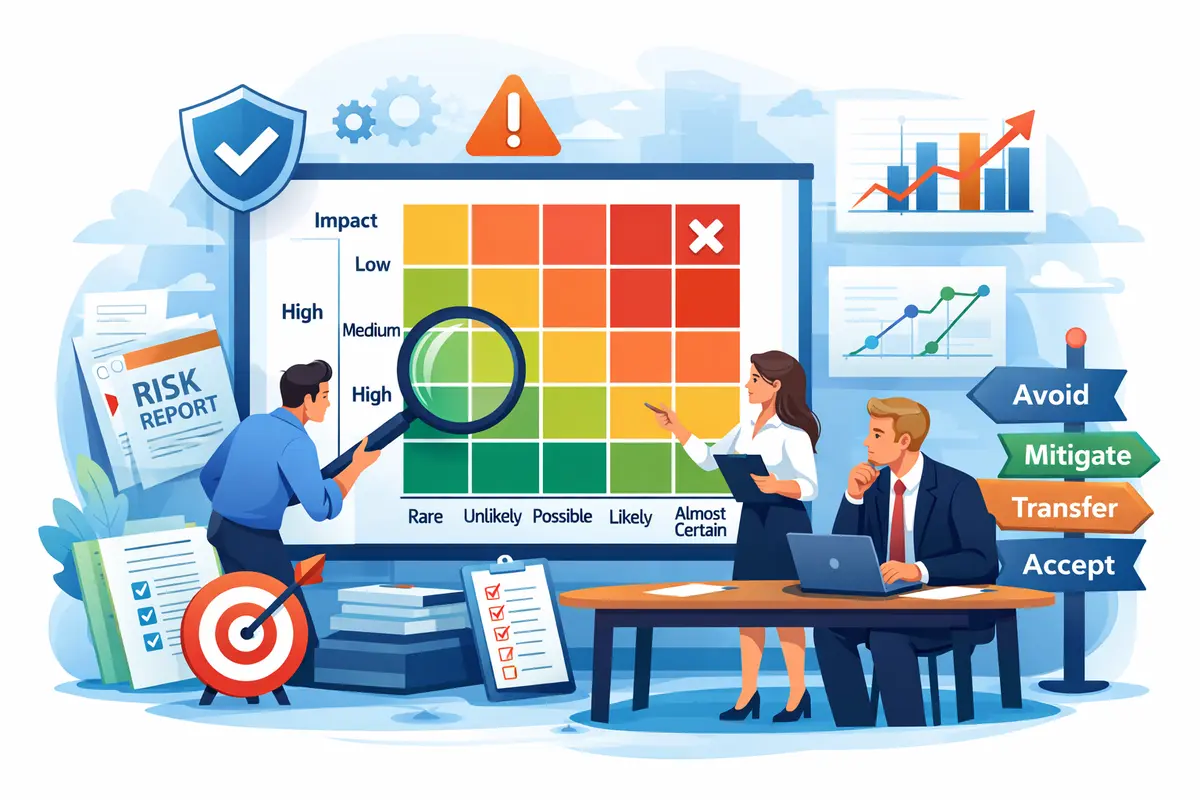
A structured technology watch system enables early identification of technological risks such as disruptive standards, cybersecurity vulnerabilities or emerging substitutes. By monitoring patents, regulatory updates and innovation ecosystems, organizations reduce uncertainty and optimize investment allocation. Simultaneously, technology watch reveals collaboration opportunities, acquisition targets and integration possibilities that strengthen product portfolios. The detection of weak signals within massive information flows provides a decisive competitive advantage. Interpreting these signals effectively distinguishes strategic leaders from followers.
Comprehensive Methodology for Implementing Technology Watch
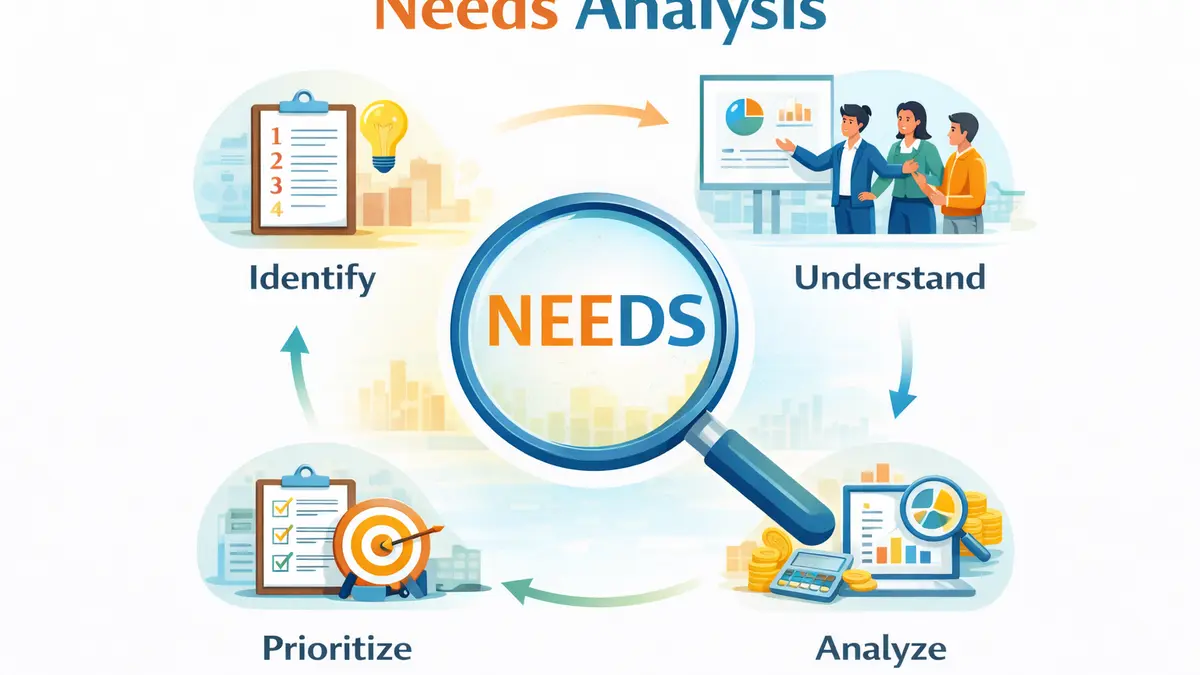
Effective technology watch relies on a repeatable and disciplined framework that aligns monitoring activities with corporate objectives. Fragmented information gathering produces noise rather than insight, while a structured process enhances clarity and decision quality. High-performing organizations formalize objectives, select relevant sources, automate data collection, conduct systematic analysis and ensure targeted dissemination. This methodology transforms monitoring into a strategic governance tool rather than an informal practice. The following framework provides a scalable foundation adaptable to any industry.
Step 1: Define Strategic Objectives
Clarity of purpose determines the relevance and efficiency of a technology watch initiative. Organizations must identify priority domains such as artificial intelligence, cybersecurity, green technologies or digital transformation. Clearly defined objectives prevent dispersion and reduce informational overload. Establishing measurable indicators and expected deliverables enhances accountability and strategic alignment. This foundational step ensures that monitoring efforts support long-term corporate vision rather than isolated technical curiosity.
Step 2: Identify and Qualify Information Sources
The robustness of technology watch depends on the credibility and diversity of its sources. Reliable channels include patent databases, specialized journals, research institutions, industry conferences, analyst reports and official announcements from technology vendors. Each source should be evaluated based on authority, update frequency and analytical depth. Diversifying sources mitigates bias and increases analytical reliability. Continuous mapping of emerging information channels maintains system relevance.
Step 3: Automate Data Collection
Automation increases efficiency and allows teams to focus on high-value analysis rather than repetitive data retrieval. RSS aggregators, keyword-based alerts, AI-driven monitoring platforms and patent surveillance tools centralize relevant information streams. Advanced boolean operators and semantic filters refine results and limit noise. Automation enhances responsiveness without replacing expert judgment. It constitutes the technical backbone of a modern monitoring infrastructure.
Step 4: Analyze and Prioritize Insights
Analysis converts raw data into strategic intelligence. Each signal should be evaluated according to impact potential, technological maturity, urgency and source reliability. Structured evaluation grids support prioritization and facilitate executive decision-making. Collaboration between technical experts and strategic leaders strengthens interpretative depth. Without rigorous analysis, monitoring efforts fail to influence business outcomes.
Step 5: Disseminate and Activate Knowledge
Dissemination transforms monitoring into actionable strategy. Reports must be concise, visual and tailored to executive expectations. Weekly briefs, quarterly technology radars and strategic memos foster organizational awareness and alignment. Regular dissemination rituals embed innovation culture within the company. Information that remains undistributed cannot generate impact.
Essential Tools for Technology Watch in 2026
Tools support efficiency but cannot substitute strategic clarity or analytical expertise. In 2026, many monitoring platforms integrate artificial intelligence capable of detecting patterns and highlighting emerging trends automatically. The choice of tools depends on organizational size, sector complexity and internal capabilities. Combining free resources with professional-grade platforms often yields optimal results. Coherent integration across systems is more important than tool quantity.
- RSS aggregators for centralized monitoring of specialized publications
- Automated alerts configured with strategic keywords
- Patent monitoring platforms to track protected innovation
- AI-powered semantic analysis tools for trend detection
- Collaborative dashboards for internal knowledge sharing
Measuring Performance and ROI of Technology Watch
Technology watch performance must be assessed through measurable impact rather than information volume. Key performance indicators include the number of innovations integrated into product development, the reduction in response time to technological disruption and the percentage of strategic decisions supported by monitoring insights. For example, organizations may observe that 32% of innovation initiatives launched in 2026 originated from signals identified through structured monitoring systems. Tracking such quantitative metrics reinforces strategic legitimacy. Continuous evaluation supports iterative improvement and resource optimization.
Common Mistakes to Avoid
Expanding the monitoring scope excessively often generates informational overload and dilutes analytical focus. Lack of objective formalization leads to fragmented outputs with limited strategic value. Some organizations collect substantial data without implementing structured dissemination processes, thereby reducing decision-making impact. Others neglect periodic evaluation and fail to update source selection as technology landscapes evolve. Avoiding these pitfalls ensures coherence, relevance and measurable outcomes.
FAQ – Frequently Asked Questions About Technology Watch
What is the difference between technology watch and innovation?
Technology watch refers to the structured monitoring and analysis of technological developments, while innovation involves implementing new ideas, products or processes. Monitoring identifies opportunities and assesses feasibility before investment. Innovation transforms insights into tangible value creation. The two processes are complementary and interdependent. Without systematic monitoring, innovation strategies rely on intuition rather than evidence.
How much time should organizations dedicate to technology watch?
The required time investment varies according to industry dynamics and organizational scale. Highly innovative sectors may allocate up to 10% of R&D team capacity to structured monitoring activities. Automation reduces operational workload while maintaining analytical quality. Consistency matters more than duration. Sporadic monitoring rarely generates strategic influence.
Is technology watch relevant for SMEs?
Small and medium-sized enterprises benefit significantly from structured monitoring because it compensates for limited internal analytical resources. Technology watch enables SMEs to identify niche opportunities and anticipate regulatory or technological shifts affecting their operations. Affordable tools and scalable frameworks make implementation accessible. Monitoring enhances competitiveness regardless of organizational size. Strategic awareness drives sustainable growth.