Kaizen: Understanding and Applying Continuous Improvement to Boost Team Performance
Kaizen has become a strategic cornerstone for organizations aiming to strengthen operational excellence, enhance team performance, and build a culture of sustainable progress. Rooted in Lean culture, this Japanese philosophy promotes incremental, continuous improvements driven by every employee, from frontline staff to executive leadership. In 2026, companies face increasing pressure to deliver faster, better, and more efficiently, making continuous improvement a critical competitive advantage. Organizations that adopt management through improvement consistently outperform those relying on sporadic optimization initiatives, especially in service-oriented and project-based environments.
What is Kaizen? Definition and Core Principles
The term Kaizen literally means “change for the better” and refers to a long-term approach focused on making small, consistent improvements across all processes. Unlike disruptive transformations, Kaizen emphasizes gradual change that minimizes risk while delivering measurable gains over time. This philosophy is deeply embedded in Lean culture, which prioritizes waste reduction and process optimization. In 2026, recent operational excellence studies show that organizations implementing Kaizen achieve an average productivity increase of 23% within 18 months, highlighting its effectiveness in modern business environments.
The Foundations of Continuous Improvement
The success of Kaizen relies on a set of fundamental principles that shape organizational behavior and decision-making. First, employee involvement ensures that improvement ideas come from those closest to the work, increasing relevance and adoption. Second, standardization allows teams to stabilize processes and build upon proven methods. Third, root cause analysis ensures that problems are solved at their source rather than temporarily fixed. These principles often integrate with structured methodologies such as DMAIC, which provides a data-driven framework to support continuous improvement initiatives.
Kaizen vs. One-Time Improvements
Many organizations mistakenly equate Kaizen with isolated improvement projects, but the two approaches differ significantly in scope and impact. One-time improvements address specific issues but often fail to create lasting change, whereas Kaizen embeds improvement into daily operations. This distinction explains why some transformation initiatives deliver short-term results but lack sustainability. Effective management through improvement requires consistency, measurement, and ongoing adaptation, ensuring that progress becomes a continuous and evolving process.
Why Kaizen is Essential in 2026
In 2026, businesses operate in a fast-changing landscape shaped by digital transformation, global competition, and rising customer expectations. Within this context, Kaizen provides the agility needed to continuously adapt and improve. Organizations that embrace continuous improvement develop a culture of incremental innovation, enabling them to respond quickly to market shifts. This approach also supports waste reduction by identifying inefficiencies in time, resources, and workflows, ultimately improving operational effectiveness and profitability.
Impact on Team Performance
Kaizen directly enhances team performance by fostering collaboration, transparency, and accountability. When employees actively contribute to identifying problems and proposing solutions, engagement levels increase significantly. This participative approach reduces resistance to change and accelerates the adoption of new practices. Organizations investing in Lean training also report fewer operational errors, improved delivery timelines, and higher quality outputs, making Kaizen a powerful driver of performance.
A Sustainable Competitive Advantage
Unlike short-term optimization strategies, Kaizen creates long-lasting value by embedding continuous improvement into the organizational DNA. This approach ensures that performance gains are maintained and expanded over time. By systematically eliminating inefficiencies and optimizing resource allocation, companies can reduce costs while improving service quality. Within a strong Lean culture, each improvement contributes to building a resilient and competitive organization capable of thriving in uncertain environments.
How to Apply Kaizen in Service Teams
Applying Kaizen in service environments requires adapting Lean principles to less tangible processes, such as communication flows and customer interactions. Despite these differences, the core approach remains the same: identify inefficiencies, implement improvements, and measure outcomes. Service teams can leverage visual management tools, regular review meetings, and performance indicators to structure their continuous improvement efforts. This approach enhances service quality, reduces response times, and improves customer satisfaction.
Example in a Project Team
In project teams, Kaizen can be implemented through regular process reviews aimed at identifying bottlenecks and inefficiencies. For instance, a team might streamline approval workflows to reduce delays in deliverable validation. Such incremental changes significantly improve team performance and accelerate project timelines. Integrating structured methods like DMAIC ensures that these improvements are data-driven and sustainable over time.
Example in Customer Service
Within customer service teams, Kaizen helps optimize request handling processes and improve user satisfaction. By analyzing recurring issues and identifying root causes, teams can implement targeted improvements that reduce response times and errors. This approach contributes to effective waste reduction, particularly by eliminating redundant tasks and unnecessary steps. As a result, service quality improves while operational efficiency increases.
Key Kaizen and Lean Tools
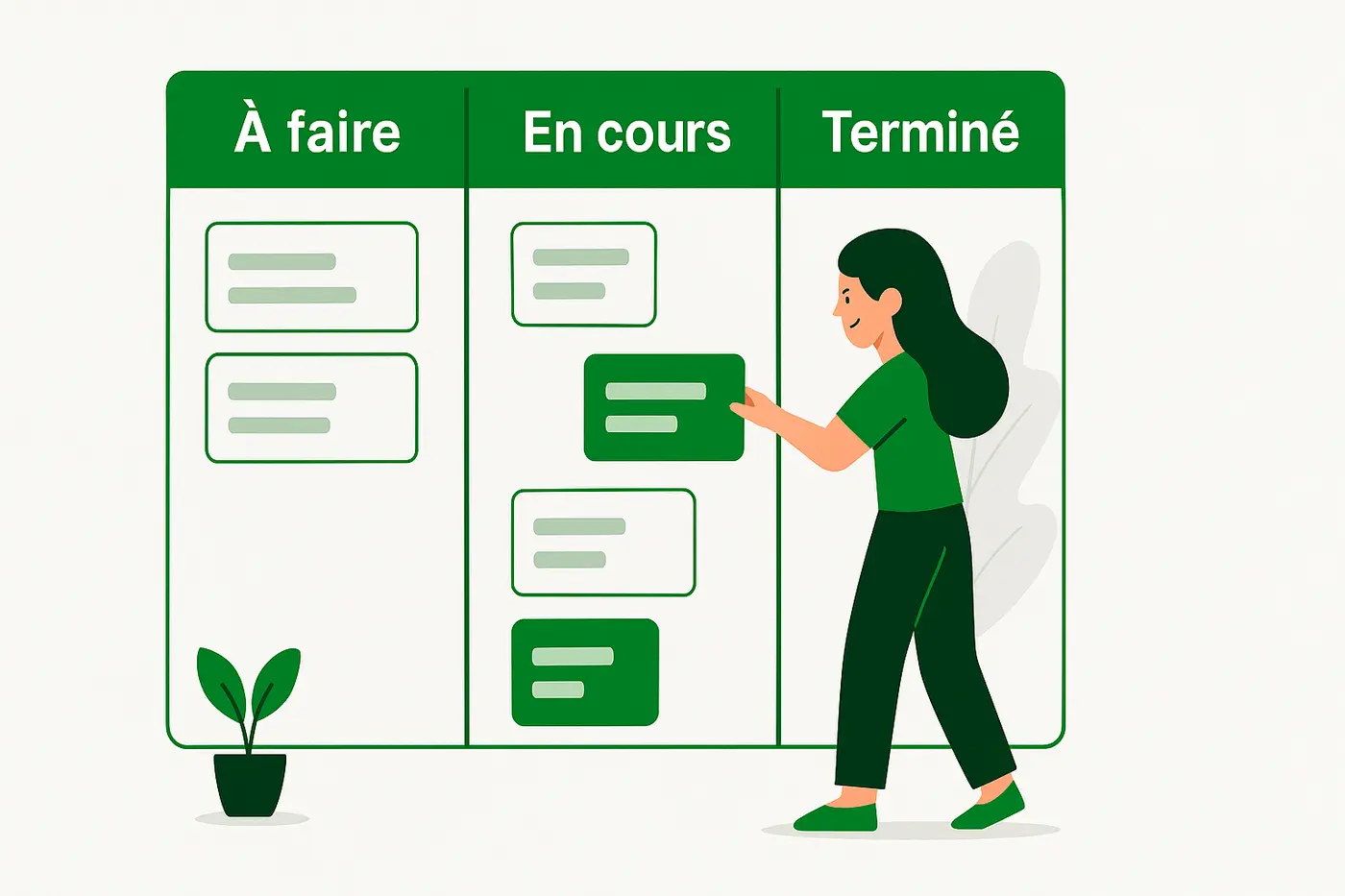
Kaizen relies on a range of tools derived from Lean culture, designed to structure improvement initiatives and measure results effectively. Among these tools, DMAIC plays a central role by providing a systematic approach to problem-solving and process optimization. Additional tools, such as Kanban boards and cause-and-effect diagrams, support visualization and analysis, making it easier to identify inefficiencies and track progress.
- DMAIC: define, measure, analyze, improve, control
- 5S: workplace organization and optimization
- Kanban: visual workflow management
- Ishikawa diagram: root cause analysis
- PDCA cycle: continuous improvement loop
The Role of DMAIC in Continuous Improvement
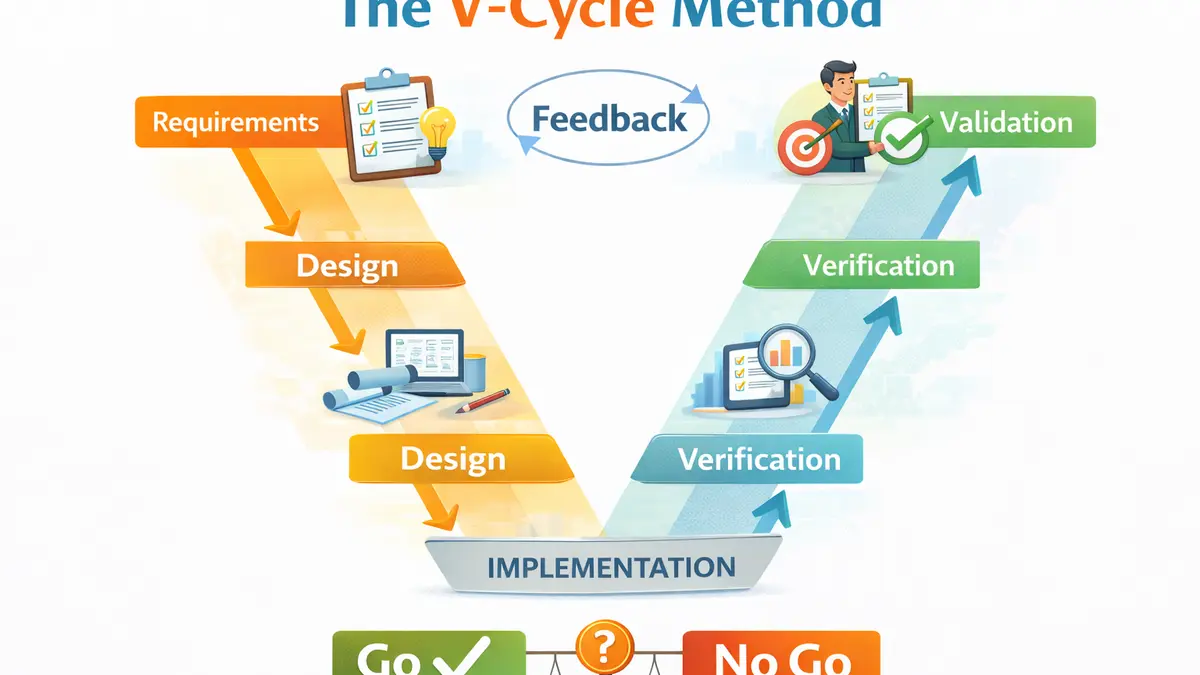
The DMAIC methodology structures continuous improvement initiatives into five clear phases, ensuring a rigorous and data-driven approach to problem-solving. This framework is particularly effective for complex projects where precision and consistency are critical. When combined with Kaizen, DMAIC accelerates improvement efforts and ensures that results are measurable and sustainable, reinforcing long-term performance gains.
Building a Sustainable Kaizen Culture
Establishing a true Lean culture requires strong leadership commitment and a gradual transformation of management practices. Management through improvement involves encouraging employee initiatives and creating an environment where innovation and experimentation are valued. This transformation also relies heavily on training, particularly through structured Lean training programs tailored to organizational needs. The goal is to foster a culture of continuous learning, where every improvement becomes an opportunity for growth.
The Role of Managers in Kaizen
Managers play a critical role in the successful implementation of Kaizen by supporting teams and encouraging proactive problem-solving. They must ensure alignment between improvement initiatives and organizational goals while tracking performance metrics. This requires a shift from traditional directive management to a more collaborative and facilitative leadership style. Through management through improvement, managers empower teams to take ownership of their processes and drive sustainable change.
Kaizen Training and Skill Development
The effectiveness of Kaizen largely depends on the skills and capabilities of the workforce, making Lean training essential. Training programs help employees understand key principles, master tools, and apply continuous improvement techniques effectively. This investment in skills development enhances team performance by increasing autonomy, accountability, and problem-solving capabilities. Well-structured training also accelerates the adoption of best practices and reduces common implementation errors.
Why Invest in Lean Training
Investing in Lean training enables organizations to structure their continuous improvement initiatives more effectively and maximize their impact. Trained teams are better equipped to identify improvement opportunities and implement solutions quickly. This leads to improved operational efficiency, reduced costs, and higher quality outcomes. Additionally, training fosters employee engagement and motivation, reinforcing the overall success of Kaizen initiatives.
FAQ about Kaizen and Continuous Improvement
Is Kaizen suitable for small businesses?
Kaizen is highly adaptable and works well for small organizations because it focuses on simple, incremental improvements rather than large investments. Small businesses can optimize their processes and enhance team performance without major disruptions. This makes continuous improvement accessible and effective regardless of company size.
How long does it take to see results with Kaizen?
Initial results from Kaizen can often be observed within a few weeks, as improvements are practical and quickly implemented. However, the most significant benefits emerge over time through consistent application. This long-term approach builds a strong Lean culture and ensures sustainable performance improvements.
Does Kaizen replace other management methods?
Kaizen does not replace existing management frameworks but complements them by adding a layer of continuous improvement. It integrates well with methodologies such as DMAIC and traditional project management approaches. This combination enhances overall effectiveness and delivers lasting results.
Accelerate Your Transformation with Kaizen Training
To successfully implement Kaizen within your organization, it is essential to structure your approach and equip your teams with the right skills. A tailored Lean training program enables employees to master tools, optimize processes, and sustainably improve team performance. By embedding continuous improvement into your organizational culture, you create the foundation for long-term growth, operational excellence, and competitive advantage.
Go further
Recommended training: Lean Management Applied to Services — Eliminate Waste and Boost Performance
Related article: The 5S Method in Service Companies: A Complete Guide to Operational Efficiency